
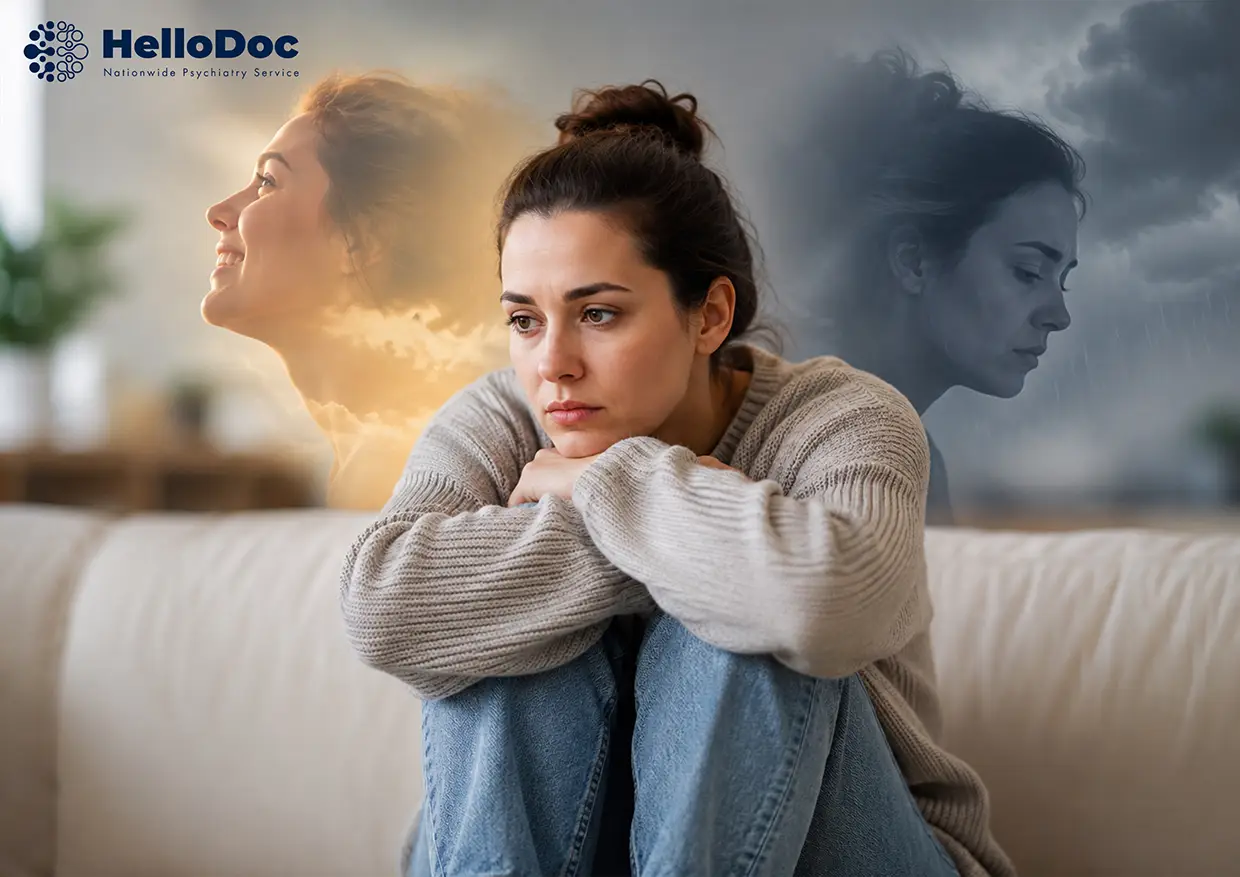
Mood swings are normal, but in certain cases, constant variations in energy, mood, sleep, and routine functioning may need to be explored further. Bipolar disorder is a mental health disorder that can change the way a person feels, thinks, and reacts in everyday life.
Symptoms of bipolar disorder can help patients and their families to seek timely expert advice and be aware of changes in emotional well-being.
This article covers typical symptoms, differences between forms of bipolar, how symptoms may present in youth, and support available in Australia.

What is Bipolar Disorder?
Bipolar disorder is a mental health disorder that causes dramatic changes in your mood, energy level, activity, and capacity to think.
Individuals with bipolar disorder may experience phases of:
- Abnormally elevated or irritated mood
- Increased activity levels
- Less sleep needed
- Feeling down and low energy
Symptoms and experiences are different for each individual and require professional assessment for proper diagnosis.
Understanding BD in Medical Terms
People sometimes search for bd medical word when studying about bipolar disorder. BD is a common shorthand medical acronym for Bipolar Disorder. This is a term that healthcare professionals use to refer to mood disorders that are characterised by episodes of energy and emotional changes that may affect day-to-day functioning.
The diagnosis must always be a clinical one.
Bipolar Disorder Common Symptoms
Symptoms of bipolar disorder might differ from person to person and depend on the type of mood episode.
Some of the common symptoms may include the following:
- Rapid mood changes
- Increase or decrease in energy
- Changes in sleeping patterns
- Trouble concentrating
- Increased impulsivity
- Ups and downs of feelings
- Changes in motivation
- Modified the day-to-day operation.
Symptoms may be minor to severe, lasting weeks.
Hypomanic Period Symptoms
Some people experience periods of high mood, and this may include:
- Raised self-confidence
- Quicker Thinking
- Activity went up
- Reduced need for sleep
- More talkative
- Mixing
- Impulsive decision making
These experiences are unique to each individual and need to be treated therapeutically.
Symptoms in the phases of Low mood
During these periods you may feel low:-
- Decreased motivation
- Constant Grief
- Exhaustion
- Problems with sleeping
- Difficulty concentrating
- Loss of interest in activities
- Disconnection from emotions
Everyone has their own method of doing things.
Symptoms of Bipolar Disorder in Adolescents
Signs of bipolar illness in teens can be hard to spot because emotional and developmental changes are normal throughout the teen years.
In teenagers, some symptoms may include:
- Sudden changes of mood
- Irritability
- Trouble sleeping
- Difficulty concentrating
- Intensity of feeling
- Poor Academic Performance
- Social isolation
- Changes in energy
You don’t want to assume that symptoms equal bipolar disorder.
And symptoms might mimic other developmental or mental health issues, so a professional evaluation is necessary.
What do people with bipolar think?
How does a bipolar mind work? Many have pondered. Everyone with bipolar disorder thinks and feels differently.
Some may observe differences in:
- Momentary
- Degree of sensation
- Levels of confidence
- Making decisions
- Focus
- View on mood swings
Experiences are ubiquitous and shed preconceived notions.
Getting professional guidance to comprehend one’s own experience can help individuals and families cope with problems.
Bipolar 1 vs Bipolar 2
Understanding bipolar I vs bipolar II can help individuals recognize the different patterns of symptoms and better understand the various types of bipolar disorder. While these conditions primarily affect mood, it is also important to be aware of other neurological disorders. Some rare and serious neurodegenerative conditions include Parkinson’s disease dementia, Huntington’s disease, Creutzfeldt-Jakob disease, and chronic traumatic encephalopathy.
Bipolar I Disorder:
Can include times of very elevated mood and a change in energy with signs of depression.
Bipolar II Disorder
It includes signs of depression and a reduction in mood. These diseases are the same, but need professional assessment for diagnosis. Self-diagnosis (based on lists of symptoms only) is not recommended.
Is Bipolar a Disability?
You could be asking: Is bipolar a disability? Whether bipolar disorder is considered a disability depends on:
- Functional effects
- Work considerations
- Legal and health systems
It really depends on the experience.
A health practitioner or related support service can provide a person with assistance in understanding what resources are available and how they can apply to their own circumstances.
How to Identify Bipolar Disorder
Diagnosis usually involves a full mental health assessment.
This may include:
- Describe current symptoms
- Examination of medical history
- Past psychiatric history
- Mood Pattern Assessment
- Functional effects assessment
But a self-screening gadget or internet quiz can’t confirm a diagnosis.
Treatment of Bipolar Disorder
Once identified or assessed, people prefer to hunt for available bipolar disorder treatments.
Treatment recommendations vary but may include:
Psychological Support
- Individual therapy
- Training of skills
- Emotional Support
Lifestyle Support
- Sleep strategy
- Dealing with stress
- Good daily structure
Medical treatment
Clinically relevant medication alternatives may be reviewed by healthcare experts. Treatment approaches are tailored and depend on a professional assessment.
What to Expect from a Bipolar Disorder Therapist
A qualified bipolar disorder therapist can help patients with:
- Emotional intelligence
- Coping strategies on a day-to-day basis
- Assistance with communication
- Constructing routines
- Planning for the future well-being
Support approaches are as varied as individual needs and treatment goals.
When to Seek Help
If you have mood fluctuations that affect: Consider getting help.
- Work or school
- Links
- Sleeps
- Emotional health
- Day-to-day tasks
Early consultations with health care experts can aid in better understanding and future measures. Some serious mental health problems demand urgent face-to-face assessment.
Conclusion
Learning the Symptoms of bipolar disorder and recognising possible Signs of bipolar disorder in teens may serve to foster earlier conversations about mental health and wellbeing.
Bipolar disease affects people differently, and assessment and treatment decisions should always be made with guidance from competent health care professionals. Patients may benefit from therapy and other bipolar disorder treatments to control symptoms and improve their overall wellness.
FAQ’s
What are the usual symptoms of bipolar disorder?
Mood, energy, sleep, and emotional highs and lows can change
What are the Symptoms of Bipolar Disorder in Teens?
Signs of teen depression can include mood fluctuations, irritability, sleep disturbance, emotional intensity, and a change in everyday functioning.
What does BD mean in medical terms?
BD commonly refers to Bipolar Disorder.
Bipolar 1 vs bipolar 2: What is the difference?
These disorders encompass many types of mood experiences and need assessment by an expert.
Is bipolar disorder a disability?
It depends on the severity of symptoms, how much they are interfering with function, and other individual characteristics.
How Does a Bipolar Person Think?
Some of the experiences include changes in emotions, attention, and cognition patterns.
Is bipolar disorder curable?
Treatment may include therapy, support for lifestyle changes, and medication management as clinically indicated.
Is bipolar disorder treatable by a therapist?
A therapist with experience can help support coping skills, emotional well-being, and long-term management.
HelloDoc Disclaimer and Liability Terms
HelloDoc aims to connect users with psychiatry professionals. However, we do not guarantee the accuracy, reliability, or completeness of the information shared. The platform does not warrant any professional medical advice, diagnosis, or treatment. All services are offered “as-is,” and users must assess their relevance independently.
HelloDoc is NOT an emergency response platform. All consultations are by appointment only. If you are experiencing a mental health crisis, please seek immediate assistance from emergency services.
For Mental Health Emergencies in Australia, contact:
- Lifeline: 13 11 14
- Beyond Blue: 1300 224 636
- MensLine Australia: 1300 789 978
- Suicide Call Back Service: 1300 659 467
- Veterans and Veterans Families Counselling Service: 1800 011 046
The information on this website, including blog posts, is for general informational purposes only and is not meant to replace or substitute for professional medical advice, diagnosis, or evidence-based treatment. Always consult a qualified healthcare provider for any medical condition or health-related questions. By continuing to use HelloDoc, you accept these terms and acknowledge that they may change without notice.