
A knock at the door after dark. A neighbour’s porch covered in cobwebs. A group of children in masks, shouting “trick or treat”. For most people, these are small, silly moments. For someone living with dementia, they can be confusing, frightening and hard to make sense of. If you care for someone, dementia and Halloween can feel like a lot to manage.
Halloween is still growing in Australia, but even if your street is quiet, decorations in shops, on TV and at neighbours’ homes can reach your loved one. This guide covers Halloween tips for dementia caregivers: how decorations and visitors can affect someone with dementia, why evenings can be harder, how to keep things calm, ideas for gentle activities, and where to get support in Australia.
Key takeaways
- Scary decorations, masks, and loud noises can be genuinely distressing for someone with dementia, because it may be hard to tell what is real.
- Late afternoon and evening, when trick-or-treaters arrive, is also when confusion and restlessness can peak (sundowning).
- A calm, familiar routine matters more than any Halloween plan.
- Sudden, new, or worsening confusion can signal a medical problem and needs a doctor’s review.
- You are not alone. Free support is available 24 hours a day in Australia.
Why Can Halloween Be Hard When Someone Has Dementia?
Dementia affects memory, thinking, judgment, and the ability to understand what is happening around you. Halloween can make these difficulties more noticeable because several potentially confusing or distressing situations may occur at once.

1. Difficulty Distinguishing Real From Pretend
Realistic masks, fake blood, and moving props may appear frighteningly real to someone with dementia. They may struggle to recognise that these things are pretend, which can lead to fear, confusion or distress.
2. Unfamiliar People at the Door
Strangers in costumes may appear unexpectedly at the door, often in groups and during the evening. For someone who has difficulty recognising people or understanding unfamiliar situations, these unexpected visits may cause anxiety or confusion.
3. Loud and Sudden Noises
Shouting, doorbells, sound effects, and fireworks can be startling, particularly for someone who is sensitive to noise. Repeated interruptions and sudden sounds may make it harder to feel calm and secure.
4. Changes to Familiar Routineso
Late nights, unexpected visitors, and increased noise can disrupt the predictable routines that help a person with dementia feel safe. Changes to familiar evening activities may contribute to restlessness or distress.
5. Poor Lighting and Shadows
Dim or flickering lights can make familiar surroundings look unfamiliar. Shadows may also create shapes that seem threatening or difficult to interpret, potentially increasing confusion or fear.
6. Memory Difficulties and Repeated Questions
A person may not remember that it is Halloween or may forget an explanation given just a few minutes earlier. As a result, they may need repeated reassurance about what is happening, even if the same situation has already been explained.
Understanding these potential challenges can help caregivers prepare for Halloween in a way that prioritises comfort, familiarity and safety.
Halloween Confusion in Elderly People: What It Can Look Like
Halloween confusion in elderly people with dementia can show up in different ways. Your loved one might:
- Think a person in a mask is an intruder or someone they know
- Become anxious, upset or angry for no apparent reason
- Want to leave the house, hide or lock the doors
- Call out for family members or ask to go home
- Seem withdrawn, frozen or unusually quiet
These reactions are not misbehaviour. They are a response to feeling unsafe in a world that is hard to understand.
Can Halloween Decorations Scare Someone With Dementia?
Yes, they can. Dementia-related scary decorations are a common source of distress because the person may truly believe what they see. Decorations that look funny to you may look real, threatening, or hard to interpret to them.
It helps to look through your own home and street from their point of view. This table shows common problems and gentler alternatives.
Decoration | Why it may distress | Gentler alternative |
Realistic masks, skeletons, or gore | They can look like real faces or injuries | Cartoon pumpkins, smiling ghosts, or simple paper bats |
Motion- or sound-activated props | Sudden movement and noise can startle | Static decorations placed outside the main living areas |
Flashing or flickering lights | They can confuse or disorient | Soft, steady lighting |
Fog, fake spiderwebs and dark corners | Shapes and shadows may look threatening | Keep indoor spaces bright and uncluttered |
Life-size figures or inflatables | They can look like people in the house | Leave them outside, or skip them |
Costumed visitors | Faces are hidden and hard to read | Ask visitors to remove masks when talking to your loved one |
Some practical tips:
- Keep the person’s main living areas, bedroom and bathroom free of scary decorations.
- If decorations are on the street, such as at neighbours’ houses, think about which windows and routes they can see.
- Take down anything that causes distress, straight away, without making a fuss.
- Let family and visitors know in advance, so they do not arrive in scary costumes.
Sundowning and Halloween Evenings
Many people with dementia become more confused, anxious or restless in the late afternoon or early evening. This is often called sundowning. Dementia Australia describes it as becoming more confused, anxious or restless later in the day.
The exact cause is not fully understood. Tiredness, a disrupted body clock, fading light, hunger and unmet needs are all thought to play a part.
The trouble with sundowning on Halloween is timing. Trick-or-treating usually happens at dusk and into the evening, exactly when many people with dementia are at their most vulnerable. Add noise, strangers, and spooky lighting, and a hard time of day can become much harder.
Why Do People With Dementia Get Agitated at Night?
There is rarely one reason. Common contributors include:
- Tiredness at the end of a long day
- Changes to the body clock, so day and night feel mixed up
- Dim light, shadows, or reflections that look strange
- Hunger, thirst, pain, or needing the toilet that the person cannot express
- Too much noise or activity
- Feeling lonely, disoriented, or unsafe
Understanding this helps. Often, the agitation is a message that something is wrong or unmet, rather than random behaviour.
Dementia Agitation: What to Try
Dementia agitation can involve restlessness, pacing, calling out, irritability, or becoming upset. Busy evenings, unfamiliar activity, and excessive noise may make these feelings more difficult to manage.
Knowing how to keep a person with dementia calm can help create a safer, more reassuring environment.
1. Stay Calm and Speak Gently
Speak slowly, softly, and reassuringly. People with dementia may pick up on the emotions of those around them, so a calm approach can help reduce distress.
2. Acknowledge Feelings Rather Than Arguing
Avoid arguing or repeatedly correcting the person. Telling them that something “is not real” may increase their distress.
Instead, acknowledge their emotions with reassurance, such as, “I can see you’re worried. I’m here with you.”
3. Check for Unmet Basic Needs
Agitation may be a sign that something is uncomfortable or wrong. Check whether the person is hungry, thirsty, in pain, too hot or cold, or needs to use the toilet.
4. Create a Calm, Well-Lit Environment
Keep the room comfortably lit and close the curtains to reduce distractions from outside. A warm, familiar environment may help the person feel more secure.
5. Reduce Noise and Stimulation
Turn off the television, reduce background noise, and move to a quieter part of the house if needed. Gentle, familiar music in a quieter room may also be comforting.
6. Offer a Familiar, Comforting Activity
Dementia Australia suggests using familiar routines and enjoyable activities to support comfort. Depending on the person’s preferences, you could try a favourite hobby, singing familiar songs, spending time with a pet or soft toy, or offering a warm drink.
7. Allow Safe Movement
Some people feel calmer when they can move around. If it is safe, offer a short walk indoors, time in a secure garden or a suitable space where they can pace without risk.
8. Maintain the Usual Evening Routine
Familiar routines can provide reassurance when the surroundings feel busy or unpredictable. Where possible, keep dinner, showering and bedtime at their usual times.
When Agitation Might Be Something Else
Sudden or new confusion, a big change in behaviour, or a person who becomes drowsy, withdrawn or very agitated within hours or days can be a sign of delirium.
This is a medical problem that can be caused by infections (such as a urinary tract infection), pain, constipation, dehydration, medicines or other illness. It needs a doctor’s review soon.
If you are worried about a sudden change, contact your GP or an after-hours service. If the person is unwell, in danger or very distressed, call 000.
Dementia and Strangers at the Door
For some people with dementia, a knock at the door can be frightening, particularly when the visitor is wearing a costume or looks unfamiliar.
Dementia and strangers at the door can also raise safety concerns. A person may open the door to someone they do not recognise or attempt to leave the house.
Planning ahead can help reduce confusion, provide reassurance and keep your loved one safe.
1. Decide How to Handle the Door
Choose an approach that feels comfortable for your household. You could turn off the porch light and put up a sign explaining that you are not participating in Halloween this year. Alternatively, you could leave a bowl of lollies outside with a note asking visitors to help themselves.
2. Ask Someone Else to Answer the Door
A family member or caregiver can manage visitors while your loved one remains in a familiar, comfortable space. This reduces the need for them to interact with unfamiliar people or respond to unexpected knocks.
3. Create a Quiet, Familiar Space
Help your loved one settle in a quiet room away from the front door. Closing the curtains and reducing noise from outside may help minimise distractions and prevent unnecessary distress.
4. Take Steps to Secure the Home
Keep external doors secured and consider using suitable safety measures, such as a door alarm or sensor, if there is a risk of wandering. An identification bracelet or card with emergency contact details may also be helpful if your loved one leaves the house unexpectedly.
5. Let Trusted Neighbours Know
If you have a good relationship with your neighbours, let them know that Halloween activity may be unsettling for your loved one. Ask them to be understanding and, where appropriate, to alert you if they notice your loved one outside alone.
6. Plan Ahead for Wandering Risks
If your loved one has a history of wandering, take extra precautions during busy evenings when there may be more distractions. Keep a recent photograph readily available and know whom to contact if they go missing. Having a plan in place can help you respond more calmly if a concern arises.
If someone with dementia has gone missing and may be in danger, call 000.
How to Celebrate Halloween With Dementia: Dementia-Friendly Activities
You do not have to avoid Halloween altogether when a loved one has dementia. If they enjoy the occasion, a gentle, daytime celebration can provide opportunities for connection, comfort and familiar experiences.
The key is to choose activities that suit their interests, abilities and comfort level, without creating unnecessary pressure or overstimulation. Here are some dementia-friendly Halloween activities to consider.
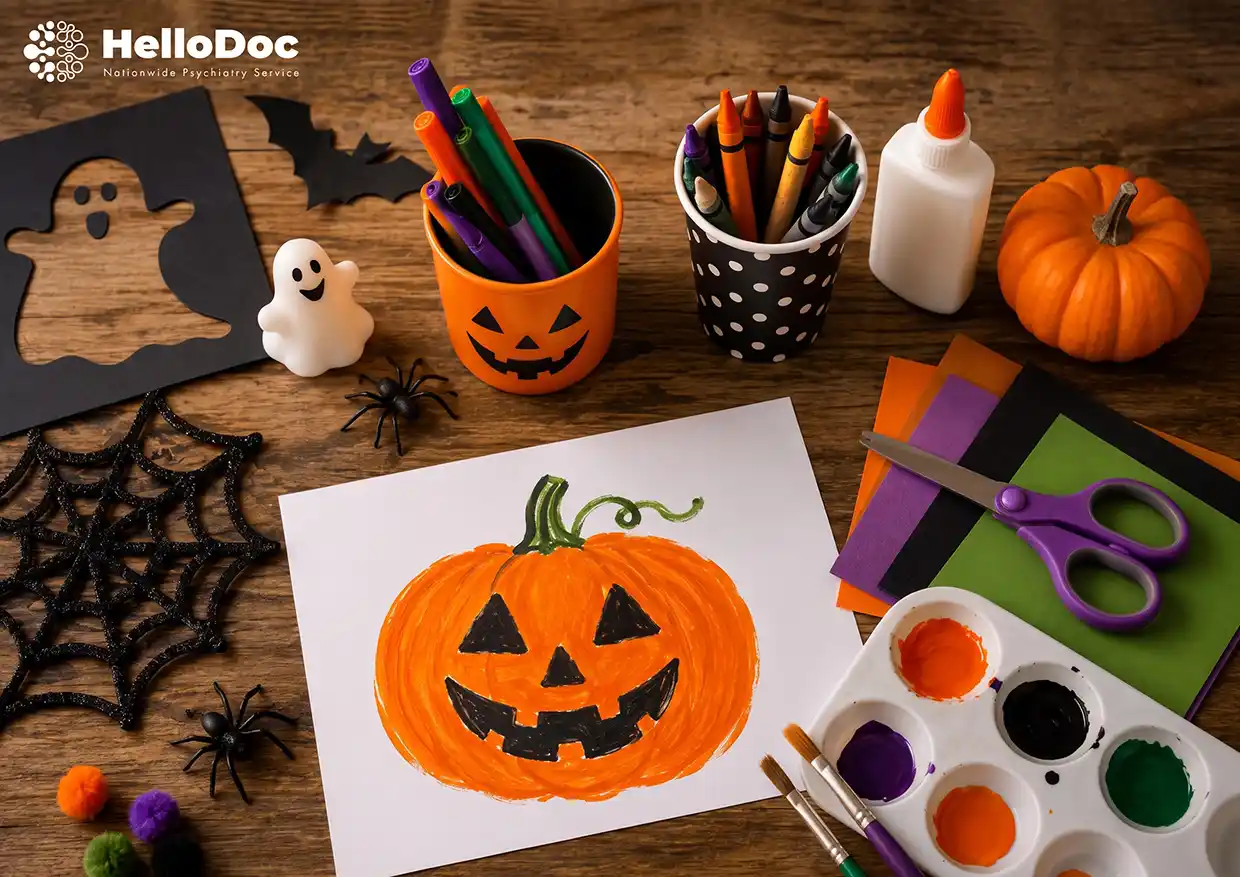
1. Try Autumn and Pumpkin Crafts
Painting or decorating a pumpkin with stickers, markers, or other simple materials can be a colourful and enjoyable activity. Avoid sharp knives and pumpkin carving to reduce the risk of injury.
2. Enjoy Simple Baking Activities
Preparing a familiar recipe together can offer a sense of comfort and achievement. Encourage your loved one to take part in simple steps, such as stirring ingredients or decorating cupcakes, with assistance when needed.
3. Sort, Colour and Arrange
Gentle activities such as sorting lollies, colouring Halloween pictures or arranging autumn leaves can provide a sense of purpose. Choose familiar, manageable tasks that match the person’s abilities and preferences.
4. Listen to Music and Sing Together
Playing familiar songs, particularly music from your loved one’s younger years, may help create a positive atmosphere. Singing together can also provide an opportunity to connect without relying on conversation alone.
5. Look Through Photos and Share Memories
Spend time looking at old photographs of family gatherings, costumes, parties,e,s or other meaningful occasions. These familiar images may encourage conversation and provide opportunities to reminisce, depending on the person’s memory and comfort level.
6. Create a Gentle Sensory Experience
Simple comforts, such as a warm drink, a soft blanket, or a gentle hand massage, can help create a relaxing environment. Always consider your loved one’s preferences and make sure any activity feels comfortable for them.
7. Enjoy a Quiet Evening at Home
Sometimes, the most suitable way to celebrate is to keep things simple. A familiar meal, favourite music and a peaceful evening at home may be more enjoyable than a busy Halloween event.
Remember: The aim is not to recreate Halloween exactly as it used to be. It is to help your loved one feel comfortable, included and connected through activities they genuinely enjoy.
Tips to make it work:
- Choose the time of day when the person is at their best, which is often the morning or early afternoon.
- Keep activities short, simple a, nd flexible. Stop if the person is tired or upset.
- Focus on enjoyment, not on getting it right.
- Check with your GP or dietitian about lollies, especially if there are swallowing difficulties or diabetes.
Trick-or-Treat Safety for an Elderly Parent
If your parent wants to go out, or lives alone and may have visitors, these tips can help with trick-or-treat safety for an elderly parent:
- Go in daylight, with company. Walking with a family member or friend is safer than going alone.
- Wear sturdy shoes and visible clothing. Reflective items help in fading light.
- Check the path. Look out for uneven footpaths, steps, driveways,s and poor lighting.
- Carry ID and a phone. Include your contact details and any medical information.
- Stay hydrated and rested. Plan a break and an end time.
- Prepare the home. Keep lights on, remove trip hazards, and lock doors if they will not be answering.
- Check in. If your parent lives alone, call or visit in the evening to make sure they are okay.
Dementia Symptoms and Early Signs
Dementia is not one disease. It is a group of symptoms caused by conditions that affect the brain, such as Alzheimer’s disease. Symptoms can vary, but dementia symptoms commonly include:
- Memory loss that affects daily life, especially for recent events
- Difficulty planning, solving problems, or following familiar tasks
- Confusion about time, place, or people
- Trouble finding words or following conversations
- Poor judgement or changes in decision-making
- Misplacing things in unusual places
- Changes in mood, personality or behaviour
- Withdrawing from activities
The early signs of dementia can be subtle, and not every memory slip means dementia. Occasional forgetfulness is part of life for many people. It is worth seeing a GP if changes are persistent, getting worse or affecting daily life.
A GP can check for other causes, such as infection, depression, vitamin deficiency or medicine side effects, and can arrange memory testing and refer to a specialist, such as a geriatrician or memory clinic
Looking After Yourself as a Caregiver
Caring for someone with dementia can be tiring, especially on busy or noisy nights. Your wellbeing matters too. Ideas to help:
- Lower your own expectations. A quiet night is enough. You do not have to do Halloween “right”.
- Ask for help. Family, friends or neighbours may be able to cover the front door or sit with your loved one for a while.
- Take breaks. Respite care can give you time to rest, and Carer Gateway can help you find it.
- Talk to others. Carer support groups can help, and Dementia Australia can connect you with one.
- Notice your own stress. If you are feeling overwhelmed, low or exhausted, speak with your GP.
Dementia Support in Australia
Free, confidential support is available. Dementia support in Australia includes:
- National Dementia Helpline (Dementia Australia): 1800 100 500, free, 24 hours a day, 7 days a week. You can also use live chat.
- Dementia Support Australia: 1800 699 799, a free 24-hour helpline offering advice for carers when behaviours change or become challenging.
- Carer Gateway: 1800 422 737, for carer support, counselling and respite.
- My Aged Care: 1800 200 422, to access government-funded aged care services.
- Your GP: for assessment, medicine reviews and referrals.
- Lifeline: 13 11 14, if you are in distress.
FAQs
Should a person with dementia hand out lollies?
It can be a lovely way to join in, if the person enjoys it and it is calm. Keep it short, stay beside them, and choose a bright room rather than the doorstep. Avoid it if evenings are hard for them. Check hard lollies for choking risk and ask a doctor about swallowing or diabetes.
Why do people with dementia get agitated at night?
Agitation at night, often called sundowning, can come from tiredness, changes to the body clock, fading light, hunger, pain, noise, or feeling disoriented. The exact cause is not fully understood. A calm routine, good lighting, and checking basic needs often help. Sudden changes should be checked by a doctor.
Can Halloween decorations scare someone with dementia?
Yes. Realistic masks, gore, flashing lights,s and moving or noisy props can look real and frighten someone with dementia, who may struggle to tell what is pretend. Keep living areas free of scary decorations, choose gentle ones, and take down anything that causes distress straight away.
Is it okay to skip Halloween altogether?
Yes. Many caregivers choose a quiet night, and that is fine. Protecting your loved one’s routine and calm matters more than taking part. You can switch off the porch light, put up a polite sign, and keep the evening as normal as possible.
What if they think the trick-or-treaters are intruders?
Stay calm and reassure them. Avoid arguing about what is real. Move them to a quiet room, close the curtains, and say you will take care of it. Keep doors locked. If they are very frightened or you feel unsafe, call someone for help, or 000 in an emergency.
Does more confusion at Halloween mean the dementia is getting worse?
Not necessarily. Noise, disruption and tiredness can increase confusion for a short time, then settle once routine returns. But if confusion is sudden, severe or does not settle, see a doctor, because it can signal infection, pain or another health problem.
HelloDoc (Disclaimer and Liability Terms)
HelloDoc aims to connect users with psychiatry professionals. However, we do not guarantee the accuracy, reliability, or completeness of the information shared. The platform does not warrant any professional medical advice, diagnosis, or treatment. All services are offered “as-is,” and users must assess their relevance independently.
HelloDoc is NOT an emergency response platform. All consultations are by appointment only. If you are experiencing a mental health crisis, please seek immediate assistance from emergency services.
For Mental Health Emergencies in Australia, contact:
- Lifeline: 13 11 14
- Beyond Blue: 1300 224 636
- MensLine Australia: 1300 789 978
- Suicide Call Back Service: 1300 659 467
- Veterans and Veterans Families Counselling Service: 1800 011 046
The information on this website, including blog posts, is for general informational purposes only and is not meant to replace or substitute for professional medical advice, diagnosis, or evidence-based treatment. Always consult a qualified healthcare provider for any medical condition or health-related questions. By continuing to use HelloDoc, you accept these terms and acknowledge that they may change without notice.