
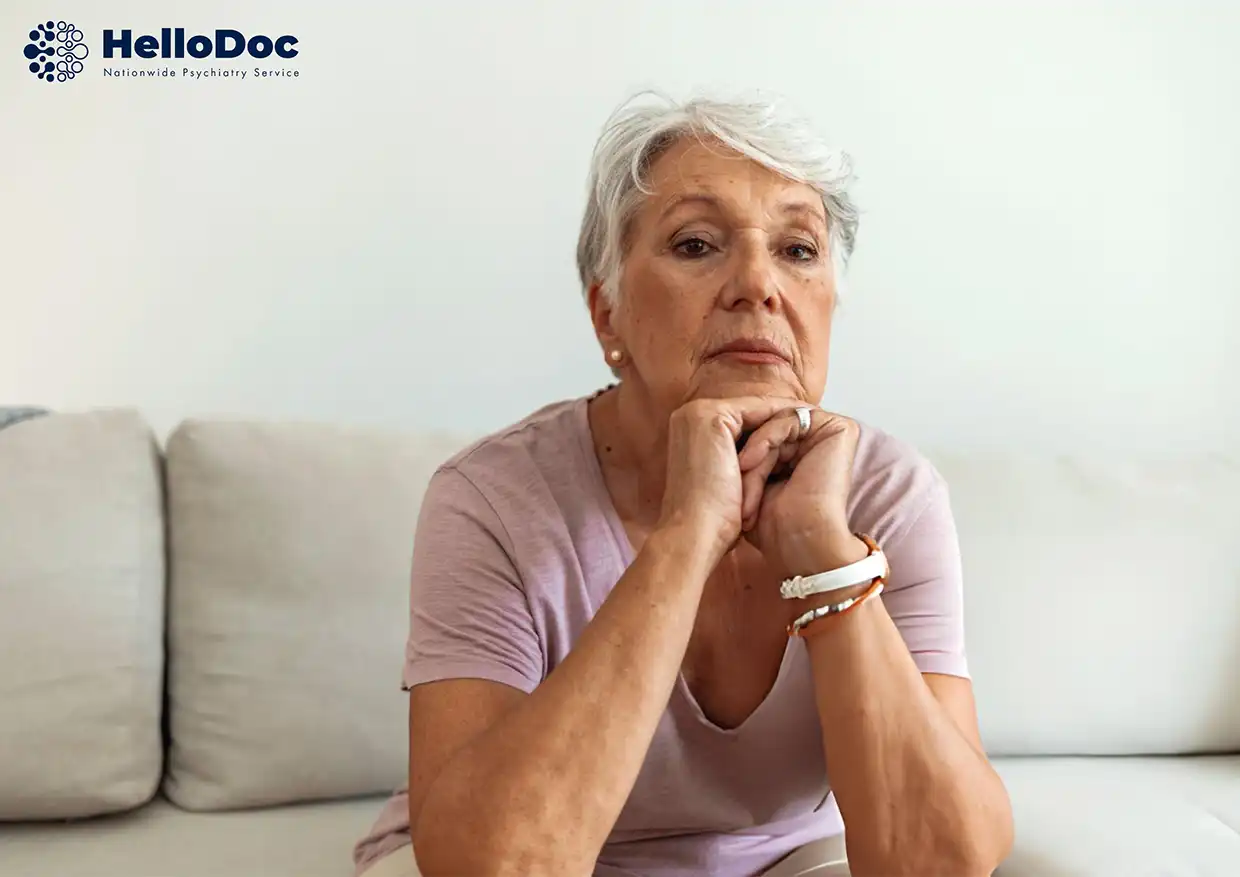
Sometimes, the hardest part is admitting they need help. Reaching out to a professional is easy. And with Telepsychiatry, you are just a call away.
You can seek professional help at the early signs. Dementia Care is not just about managing memory loss. It’s about holding together the world of someone you love when it slowly begins to fall apart.
In those moments, many caregivers feel torn between wanting to help and not knowing how. Telepsychiatry is the answer today; seek quietly, compassionately, and powerfully.

Telepsychiatry offers professional dementia care from the comfort of your own home. It connects families to psychiatrists who provide emotional and behavioural help for dementia. It offers guidance, medication management, and caregiver support through secure video sessions.
You don’t need to wait until things get unbearable or confusing to seek help. The earlier you involve a mental health professional, the smoother your journey will be. It’s best for both you and your loved one.
So, let’s take a closer look:
What exactly is dementia?
Why does it happen?
Can it be cured?
Why is early professional dementia care important? Is telepsychiatry essential for every family navigating this difficult path?
What is dementia?
Dementia is a condition that affects the brain and makes it hard for a person to remember, think, or make decisions. It can also change the way they act or feel. People with dementia may forget names, lose track of time, or struggle to find the right words. It’s not just about getting older; it’s about the changes in the brain that make daily life more challenging.
There are different types of dementia, and the most common one is Alzheimer’s disease. Other types include vascular dementia, Lewy body dementia, and frontotemporal dementia.
Why dementia happens?
Dementia happens when brain cells are damaged and can’t communicate properly. This damage can be caused by:
- Diseases like Alzheimer’s
- Small strokes or poor blood flow to the brain
- Head injuries
- Specific health problems, like high blood pressure, diabetes, or infections
While getting older increases the risk, dementia isn’t a regular part of aging.
Can dementia be cured?
Short answer: Not yet! There’s no complete cure for most types of dementia. But that doesn’t mean there’s no hope. Dementia patients can live better with the proper treatment, support, and care.
Sometimes, dementia symptoms are treatable, such as vitamin deficiencies, thyroid problems, or side effects of medication. That’s why it’s essential to receive a professional assessment as soon as possible.
Telepsychiatry makes that step easier; it connects you with doctors who can identify the cause, suggest treatments, and coordinate care with your GP.
Is dementia care necessary?
Yes. Caring for someone with dementia isn’t just about keeping them safe. It’s about helping them feel understood, respected, and loved. Good dementia care can:
- Protects safety (reduces falls, wandering, medication mistakes),
- Reduces distress for the person and family,
- Helps manage symptoms like sleep problems, agitation, or anxiety, and
- Preserves dignity and independence for as long as possible.
When families get the right help early, it improves everyone’s quality of life, and that’s precisely what telepsychiatry offers.
When to seek professional help (red flags that mean now)
If any of the following are happening, reach out to a professional (telepsychiatry is a significant first step):
- Rapid or sudden decline in memory, speech, balance, or vision.
- Repeated falls or episodes of wandering.
- New or worsening aggression, paranoia, hallucinations, or severe agitation.
- Trouble handling medications, finances, or self-care (bathing, dressing, eating).
- You (the caregiver) are overwhelmed, experiencing burnout, depression, or panic attacks.
- Confusing medical symptoms appear (urinary problems, infections, dehydration) that might be causing delirium on top of dementia.
How Telepsychiatry Helps in Dementia Care
Telepsychiatry brings a psychiatrist or mental health specialist to your device. For dementia care, this matters because:
- It removes barriers such as long travel, mobility issues, and lengthy wait times.
- It makes follow-up simple. Medication reviews, behavioural strategies, and caregiver coaching can occur from the comfort of home.
- It supports caregivers quickly. When you’re overwhelmed, immediate professional advice can stop escalation.
- It connects you with specialists who might not be locally available.
In short, telepsychiatry doesn’t replace hands-on care or physical tests, but it amplifies your access to expert dementia care fast.
What to ask and do in a Telepsychiatry Session for Dementia Care
Here are simple, innovative ways to get the most from telepsychiatry sessions:
- Start with a short video call, not the whole story. Book a 20–30-minute telepsychiatry appointment for an initial assessment. It’s less intimidating than a complete clinic visit and provides immediate guidance.
- Bring snapshots, not novels. Prepare 3–5 concrete examples of recent changes (dates/times help). Example: “Since last Tuesday, Mum has had three nights of getting up at 3 am and calling out.” Doctors use patterns.
- Do a home tour on camera. A quick phone video walking the clinician through important rooms (kitchen, bathroom, stairs). It helps the psychiatrist identify safety risks and suggest immediate fixes.
- Use telepsychiatry to triage tests. The psychiatrist can tell you which blood tests, brain scans or GP referrals are urgent. It helps you save time and unnecessary travel.
- Create a ‘behaviour plan’ together. Ask the psychiatrist for simple steps to try before medication, such as routine changes. You can ask for sleep hygiene, sensory cues, and distraction techniques. Take notes during the call and request a written summary.
- Schedule regular short check-ins. Monthly 15-minute follow-ups keep medication, behaviour changes and caregiver stress on track.
- Get caregiver coaching; it’s part of dementia care. Ask for coaching on communication strategies: short sentences, one question at a time, like a validation (“I see that upsets you”), and using memory cues (labels, photos).
- Use technology aids. Ask the psychiatrist about medication dispensers, GPS wander-locators, calendaring apps, or voice reminders. Often, these simple tools will help reduce crisis calls.
Emergency plan on file. Telepsychiatry can help you draft a one-page action plan: who to call, which clinic, current meds, allergies, and next-of-kin details. Keep a printed copy on the fridge.
How a telepsychiatry dementia session works
- You book an appointment online.
- You join the video call from home.
- The psychiatrist asks questions about memory, sleep, and mood.
- They may suggest a treatment plan, medication, or tests.
- You receive a summary report, which can be shared with your GP.
The best part? Your loved one stays calm, comfortable, and safe in a familiar environment.
Caregiver advice for Dementia patients to do today
- Keep one daily log (date/time/event): Even a short list helps clinicians spot patterns.
- Simplify the environment by reducing clutter, labelling essential items, and using clocks with significant dates.
- Prioritise sleep and nutrition, both of which hugely affect behaviour.
- Share caregiving: Rotate tasks among family members and utilise telepsychiatry for shared consultations, ensuring everyone receives the same advice.
- Don’t wait until a crisis: early involvement of specialists improves outcomes and reduces stress.
When telepsychiatry isn't enough
Some situations require physical assessment: suspected stroke, serious infection, severe dehydration, or when complete memory testing and brain imaging are needed. Telepsychiatry will guide you and coordinate with your GP or local services.
Why HelloDoc Telepsychiatry can help (how to use it)
HelloDoc offers telepsychiatry support nationwide in Australia for families seeking dementia care. Through HelloDoc, you can:
- Book an initial dementia-focused assessment,
- Get medication reviews and behavioural management plans,
- Arrange follow-ups and caregiver coaching, and
- Share written reports with your GP for coordinated care.
If you’re ready to act, book an initial consultation, bring your one-page snapshot of concerns and your daily log, and use the video tour trick during your first call.
FAQs
Is dementia curable?
Dementia isn’t fully curable, but proper care can help manage symptoms, improve daily life, and slow decline. That’s why professional dementia care and medical support, available through HelloDoc Telepsychiatry, can make such a significant difference.
Is telepsychiatry secure and private?
Reputable services like HelloDoc utilise encrypted platforms that comply with relevant privacy regulations. Always confirm this when booking.
HelloDoc Telepsychiatry uses secure, confidential video platforms that meet Australian health standards. Sessions are private, comfortable, and easy to use, even for seniors with little tech experience.
Will a psychiatrist prescribe medication over telehealth?
Yes, psychiatrists can recommend and adjust medications via telehealth and will coordinate with your GP for prescriptions when needed.
How can telepsychiatry help with agitation or hallucinations?
Clinicians provide behaviour strategies, check for medical causes, and, if necessary, consider medication, all while coaching caregivers on immediate steps.
What is the best way to support a parent with dementia at home?
The best support starts with patience, structure, and professional guidance. Keep daily routines simple, speak calmly, and focus on safety. If you feel unsure, HelloDoc Telepsychiatry can connect you to a psychiatrist who helps you build a personalised dementia care plan right from the comfort of your own home.
How do I know when to seek professional help for dementia care?
If your loved one’s confusion, mood swings, or memory loss is getting worse or you feel overwhelmed, it’s time to get help. Early support through telepsychiatry can make care easier and help slow down symptoms before they become more complicated to manage.
Can telepsychiatry really help someone with dementia?
Yes. Telepsychiatry gives access to dementia specialists who can assess behaviour, review medications, and guide families through care, all via secure video sessions. It’s ideal for individuals who find travel stressful or live a distance from a clinic.
How does HelloDoc Telepsychiatry work for dementia care?
It’s simple. Book an appointment online, meet your psychiatrist through a private video call, and discuss your loved one’s symptoms. The doctor may suggest treatment, medication adjustments, or caregiving tips. A report is shared with your GP to ensure smooth, ongoing care.
What are the early signs that my parent might have dementia?
Look for changes in memory, speech, and mood, such as repeating questions, losing track of time, or forgetting familiar names and faces. If you notice these signs, schedule an early telepsychiatry consultation for a proper assessment.
How can caregivers look after their own mental health while providing dementia care?
Caring for someone with dementia is emotionally exhausting. Take breaks, ask your family for help, and consult with professionals through HelloDoc Telepsychiatry. Psychiatrists can guide you in managing stress, anxiety, or burnout so you can stay strong for your loved one.
What should I prepare before a telepsychiatry session for dementia care?
Write down your loved one’s symptoms, medications, and any behaviour changes. Have their medical history nearby. During the session, your psychiatrist will review these details to tailor a plan that fits both your loved one and your family’s needs.
How do I book a dementia care appointment with HelloDoc Telepsychiatry?
You can easily book online through the HelloDoc website. Choose a suitable time, confirm your session, and get a secure video link. Within minutes, you’ll be connected with a psychiatrist who understands dementia and can guide your next steps in care.
Dementia Care with Telepsychiatry
Watching someone you love change is heartbreaking. You don’t have to do it alone. Dementia care is not only about medical treatment, but it’s about connection, dignity, and finding practical ways to make each day safer and kinder. Telepsychiatry is an accessible bridge to professional help: fast, flexible, and focused on what matters most, your loved one and your family’s well-being.
HelloDoc (Disclaimer and Liability Terms)
HelloDoc aims to connect users with healthcare professionals specialising in psychiatry. However, we do not guarantee the accuracy, reliability, or completeness of the information shared. The platform does not claim any warranty regarding professional medical advice, diagnosis, or treatment. All services are offered “as-is,” and users must assess their relevance independently.
HelloDoc is NOT an emergency response platform. All consultations are by appointment only. If you are experiencing a mental health crisis, please seek immediate assistance from emergency services.
For Mental Health Emergencies in Australia, contact:
- Lifeline: 13 11 14
- Beyond Blue: 1300 224 636
- MensLine Australia: 1300 789 978
- Suicide Call Back Service: 1300 659 467
- Veterans and Veterans Families Counselling Service: 1800 011 046
The information on this website, including blog posts, is provided for general informational purposes only and should not be used to replace or substitute for professional medical advice, diagnosis, or evidence-based treatment. Always consult a qualified healthcare provider for any medical condition or health-related questions. By continuing to use HelloDoc, you agree to these terms and acknowledge that they may be updated without notice.