
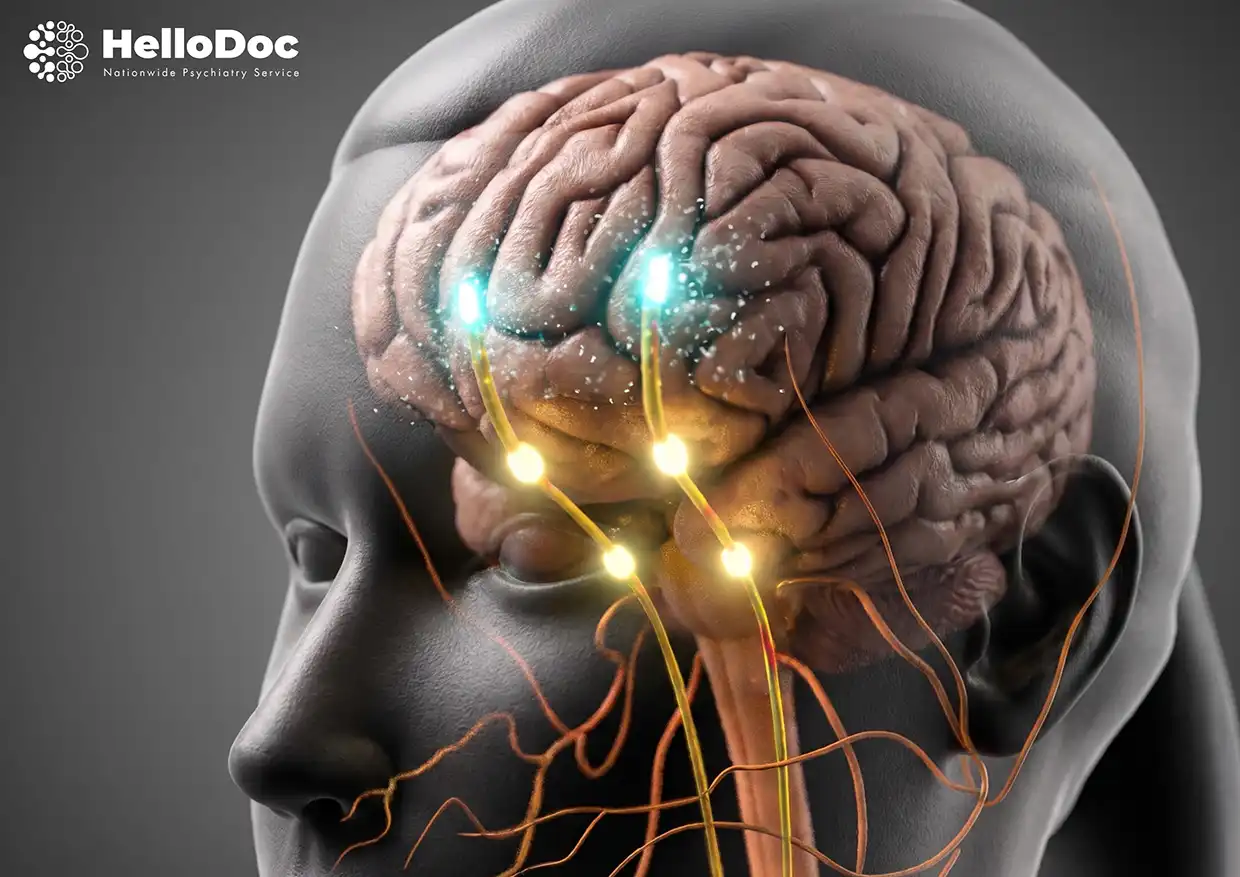
Dopamine is involved in ADHD, but the popular claim that ADHD is simply “low dopamine” is an oversimplification. Research on ADHD and dopamine points to a more tangled picture, where several brain chemicals and networks work together, and no single measurement explains the condition. If you have seen the “chemical imbalance” line online, here is what the evidence actually supports:
- Dopamine plays a real role in motivation, reward, and attention, which are areas where people with ADHD often struggle.
- A 2024 critical review found evidence that dopamine is involved, but limited evidence for a simple low-dopamine state.
- Noradrenaline (norepinephrine) and other neurotransmitters matter too, so ADHD is not about one chemical.
- Brain scans show small average group differences, and they cannot diagnose ADHD in an individual.
- Responding to ADHD medication does not prove that someone has a dopamine deficiency.
Knowing what the science really says about dopamine is a helpful first step in understanding and treating ADHD.
What Is Dopamine and What Does It Do in the Brain?
Dopamine is a neurotransmitter, a chemical messenger that helps brain cells communicate. It supports motivation, reward, attention, and movement. Rather than simply creating pleasure, it helps the brain decide what is worth pursuing and paying attention to. That is why it is linked to ADHD.

Dopamine is made in several small clusters of brain cells and released along different pathways, each with its own job. In plain English:
- Motivation and reward. Dopamine signals that something matters, which helps you start a task and keep going. It is often described as being more about wanting than liking.
- Attention and planning. In the prefrontal cortex, the front part of the brain involved in executive function (planning, organising and self-control), dopamine helps tune which information you hold onto and which you filter out.
- Movement. Pathways through the striatum help coordinate voluntary movement, which is why dopamine problems also feature in conditions such as Parkinson’s disease.
- Learning from outcomes. Dopamine activity helps the brain update its predictions when something turns out better or worse than expected.
Because attention, motivation, and self-regulation all lean on these systems, it is easy to see why researchers looked at dopamine first when studying ADHD. The harder question is whether ADHD comes down to too little of it.
Is ADHD Caused by Low Dopamine?
No. Dopamine is clearly involved in ADHD, but the evidence does not show that ADHD is caused by a simple shortage of it. A 2024 critical review found support for dopamine involvement and limited support for a straightforward low-dopamine state. ADHD is better understood as differences across several brain systems.
That 2024 review, published in Frontiers in Psychiatry by MacDonald and colleagues, evaluated the human and animal evidence behind the dopamine hypothesis. It concluded that there is evidence for dopamine involvement in ADHD, but that the data do not neatly support the idea of one consistent low-dopamine state across everyone with ADHD.
In practice, this means a statement like “ADHD is caused by low dopamine” is not something researchers can say as fact. A more accurate version is that dopamine signalling is one part of a larger picture. Calling it a deficiency can also lead people to hunt for quick fixes, and the rest of this article looks at why those do not hold up.
The Dopamine Hypothesis of ADHD: Where It Came From and Its Limits
The dopamine hypothesis grew out of observations in the mid-to-late twentieth century that medications affecting dopamine seemed to reduce ADHD symptoms. Researchers reasoned backwards, assuming that if the drugs raise dopamine activity, then ADHD must involve too little. That logic is understandable, but it has limits.
Medication response is not proof of a deficiency. The same 2024 review notes that stimulants also improve attention in people without ADHD. If a medicine helps almost anyone concentrate a little better, the fact that it helps you does not show your brain is short of a chemical. A comparison: a pair of glasses helps many people read small print, but not everyone who reads better with glasses has a diagnosable vision condition.
Imaging results are mixed. Brain imaging studies using PET and SPECT (scans that track chemical activity in the living brain) have not produced one consistent finding. Different studies have used different methods, different age groups and different medication histories, and their results do not line up cleanly.
Other systems were suspected early. Research from the 1980s, including work by Zametkin and Rapoport in 1987 cited in the 2024 review, pointed to the noradrenergic system as well. Even in the early days, dopamine was never the only candidate.
The dopamine hypothesis is still useful as a starting point. It simply was never the whole story.
The Dopamine Transporter in ADHD, Simply Explained
The dopamine transporter (DAT) is a protein that acts like a vacuum, pulling dopamine back into the nerve cell after it has been released. This ends the signal. Some researchers have studied whether people with ADHD have more or less DAT, but the findings have been inconsistent.
If DAT levels were higher, the vacuum would be strong, and dopamine would be cleared faster, which would fit a “low dopamine” idea. Some early studies did report higher DAT density in ADHD. Later work complicated that.
A 2012 meta-analysis by Fusar-Poli and colleagues, which pooled data from multiple imaging studies, found that DAT density appeared to depend on prior stimulant exposure. People who had taken stimulant medication tended to show different DAT levels from those who had not. In other words, some of the differences seen in scans may reflect the effects of treatment history rather than ADHD itself.
For readers, the key takeaway is that DAT is an important piece of how dopamine works and how some medications act, but there is no reliable DAT “signature” of ADHD.
Norepinephrine and Other ADHD Neurotransmitters
Dopamine is not the only chemical involved. Norepinephrine, known in Australia as noradrenaline, is closely tied to alertness, attention, and the brain’s response to stress. Many researchers now think ADHD involves several neurotransmitters acting across networks, not a shortfall in a single one.
Noradrenaline is released from a small area at the base of the brain and reaches the prefrontal cortex, where it helps regulate attention and working memory. Dopamine and noradrenaline also influence each other, which is part of why it is hard to pull them apart.
Other neurotransmitters, including serotonin, glutamate and GABA, are also being studied in ADHD, though the evidence is less developed.
This network view fits how the brain works more generally. Attention, motivation and self-control come from circuits that link many regions, and these circuits depend on multiple chemicals working in balance. Describing ADHD as one “imbalanced” chemical makes for a neat headline, but it does not match the science.
ADHD Brain Differences: What Brain Scans Show
Brain scans show small average differences between groups with and without ADHD, but they cannot diagnose ADHD in any individual. The largest study to date found slightly smaller volumes in some brain regions, mainly in children, and these differences were not statistically significant in adults.
The most cited evidence comes from the ENIGMA consortium, a large international collaboration that pools MRI data from many research sites. In a 2017 paper in The Lancet Psychiatry, Hoogman and colleagues compared subcortical brain volumes in thousands of people with and without ADHD across the lifespan. They found that five of seven subcortical regions were slightly smaller on average in the ADHD group. The differences were mainly seen in children and were not significant in adults.
There are important caveats:
- These are group averages. Many people with ADHD have brain scans that look the same as anyone else’s.
- The differences are small, and they overlap heavily between groups.
- The study does not show what caused the differences or what they mean day to day.
- ADHD is diagnosed through a clinical assessment of symptoms and history, not through a scan.
So while the phrase “ADHD brain differences” is real and meaningful at a research level, no brain scan or blood test can confirm or rule out ADHD for you.
The ADHD Reward System and Motivation
The brain’s reward system, which runs through areas such as the striatum and nucleus accumbens, helps decide what feels worth doing. In ADHD, this system may respond differently to delayed or low-interest tasks. This can make motivation depend more on interest, urgency or novelty than on importance.
Researchers sometimes describe this using the idea of delay aversion, a stronger tendency to prefer smaller, sooner rewards over larger, later ones. It helps explain why a long-term goal, such as a tax return due in three weeks, can feel strangely unmotivating, while a looming deadline suddenly makes it possible to start.
Many people with ADHD describe what clinicians call interest-based attention. A task that feels engaging or novel is easy to stay with, while a boring but important task can feel almost physically hard to begin. This is not laziness. Dopamine and motivation are linked, and reward signals in ADHD may not “switch on” in the usual way for tasks without immediate payoff.
The same reward system helps explain why hyperfocus happens with ADHD when a task feels exciting or urgent. When the reward signal is strong, attention can lock in so tightly that hours pass unnoticed.
It is worth remembering that this is an area of active research. The reward-system explanation fits many people’s experience and a good deal of the evidence, but it is a model, not a settled fact.
What Is Dopamine-Seeking Behaviour in ADHD?
Dopamine-seeking behaviour is a popular way of describing the pull toward novelty, stimulation, and quick rewards that many people with ADHD notice in themselves. It is not a formal diagnosis or a proven mechanism, but it captures real patterns, and it is not a character flaw.
Examples people commonly describe include:
- Starting new projects with great enthusiasm, then losing interest once the novelty fades.
- Leaving tasks until the last minute, because urgency finally makes them feel doable.
- Impulsive spending or buying, where the thrill of the purchase is the reward.
- Reaching for a phone again and again, because feeds offer constant small novelty.
- Changing hobbies, jobs, or routines frequently in search of something that holds attention.
It helps to be compassionate here. If your brain’s reward system responds differently, then seeking stimulation is an understandable response, not a lack of willpower. Shame tends to make these patterns harder to change, whereas curiosity about them makes it easier to build helpful habits.
If novelty-seeking is causing problems with money, work, or relationships, adult ADHD support can help you build strategies that fit how your brain works.
How ADHD Medications Affect Dopamine
ADHD medications work on dopamine and noradrenaline in different ways. Methylphenidate and amphetamine-based medicines (dexamfetamine and lisdexamfetamine) increase the activity of these chemicals, atomoxetine mainly affects noradrenaline, and guanfacine acts on noradrenaline-related receptors. This section covers mechanism only, not dosing.
- Methylphenidate blocks the dopamine transporter and the noradrenaline transporter, so both chemicals stay active in the gap between nerve cells for longer.
- Dexamfetamine and lisdexamfetamine are amphetamine-based. They also block reuptake and increase the release of dopamine and noradrenaline. Lisdexamfetamine is a prodrug, meaning the body converts it into dexamfetamine after it is taken.
- Atomoxetine is a selective noradrenaline reuptake inhibitor. Because the prefrontal cortex has relatively few dopamine transporters, blocking noradrenaline reuptake there can also increase dopamine levels in that region.
- Guanfacine is an alpha-2A adrenergic receptor agonist. It is thought to strengthen noradrenaline signalling in the prefrontal cortex rather than acting directly on dopamine.
The mechanism of each medicine is described in its TGA-approved product information and in peer-reviewed pharmacology literature. These mechanisms are also why medication response cannot be used to prove a dopamine deficiency, as covered earlier.
For the day-to-day effects, see our guide on what ADHD medication does for adults. Because each medication acts differently, the right choice is something to work through with an ADHD psychiatrist.
What Else Is Involved Besides Dopamine?
ADHD develops from a mix of genetics, early brain development, environmental influences, and several neurotransmitter systems working together. No single factor explains it. This is why researchers talk about ADHD as a complex neurodevelopmental condition, not the result of one chemical.
- Genetics. ADHD runs strongly in families. Research into the genetic causes of ADHD shows it is highly heritable, with many genes each playing a small part.
- Brain development. ADHD is considered neurodevelopmental, meaning it relates to how the brain develops from early life. Differences in the timing of maturation in some regions have been studied.
- Environment. Factors such as premature birth or low birth weight have been associated with a higher likelihood of ADHD, though association does not mean a single direct cause.
- Other neurotransmitters. As covered above, noradrenaline and other chemical systems contribute, alongside dopamine.
This fuller picture is more helpful than a one-chemical story. It explains why ADHD looks different from person to person, and why treatment works best when it is tailored.
Dopamine Myths to Ignore
The internet is full of confident claims about dopamine. Here are the most common ones, set against what the evidence says.
| Myth | What the science says |
|---|---|
| “ADHD is just low dopamine.” | Dopamine is involved, but a 2024 review found limited evidence for a simple low-dopamine state. ADHD involves multiple systems. |
| “A dopamine detox will fix ADHD.” | There is no evidence that a “dopamine detox” treats ADHD. Dopamine cannot be “detoxed”, and cutting out enjoyable activities does not reset the brain. |
| “Certain foods boost dopamine and cure ADHD.” | No food or supplement has been shown to treat ADHD by raising dopamine. Eating well supports general health, but it is not an ADHD treatment. |
| “A brain scan can diagnose ADHD.” | Scans show small group averages only. ADHD is diagnosed through a clinical assessment, not imaging. |
| “If medication works for you, you must have ADHD.” | Stimulants can improve attention in people without ADHD, so response alone does not confirm a diagnosis or a deficiency. |
It is also worth saying that people sometimes try to “self-medicate” low motivation or poor focus with caffeine, nicotine, or other substances. These can carry risks and are not a safe substitute for assessment and treatment. If you are doing this, a conversation with a doctor is a better first step.
What Is a Dopamine Menu, and Does It Help?
A dopamine menu is a practical self-help idea: a personal list of enjoyable, healthy activities, sorted by how much effort and time they take, that you can choose from when you need a boost in motivation. It is a coping strategy, not a medical treatment, and there is little formal research on it.
People often organise a menu like a restaurant: “starters” are quick activities such as a short walk or favourite song, “mains” are more involved, such as exercise or a creative project, and “sides” are small things you can pair with a boring task, such as music while folding laundry. The point is to have good options ready, so you are less likely to default to scrolling or other quick fixes when your focus dips.
It may suit some people, particularly those who like structure and visual aids. It will not suit everyone, and it does not change underlying brain chemistry. Tools like a dopamine menu often work best alongside structured support such as ADHD coaching.
ADHD and Dopamine FAQs
Is ADHD caused by low dopamine?
Not as a simple fact. Dopamine is involved in ADHD, but a 2024 critical review found limited evidence for a straightforward low-dopamine state. Current thinking points to differences across several brain systems, including noradrenaline, along with genetic and developmental factors.
Do people with ADHD have less dopamine?
Research has not shown this consistently. Imaging studies of dopamine function have produced mixed results, and some findings seem to be influenced by prior medication use. Dopamine signalling may work differently in ADHD, but “less dopamine” is too simple.
Does ADHD medication work because of a dopamine deficiency?
Not necessarily. Medications such as methylphenidate and amphetamines act on dopamine and noradrenaline, but stimulants also improve attention in people without ADHD. A good response to medication does not prove a deficiency, and it cannot diagnose ADHD.
What is the dopamine transporter in ADHD?
The dopamine transporter (DAT) is a protein that clears dopamine from the gap between nerve cells. Studies of DAT in ADHD have been inconsistent, and a 2012 meta-analysis found that DAT density appears to depend on prior stimulant exposure.
Can a brain scan show if I have ADHD?
No. Large studies, such as the ENIGMA consortium analysis, show small average differences between groups, mainly in children. These differences overlap heavily, so scans cannot confirm or rule out ADHD in an individual. Diagnosis relies on clinical assessment.
What is dopamine-seeking behaviour?
It is a way of describing the pull toward novelty and quick rewards that many people with ADHD notice, such as last-minute urgency or impulsive buying. It is not a formal diagnosis or a character flaw, and support can help manage its impact.
Does a dopamine detox help ADHD?
There is no evidence that it does. Dopamine cannot be removed from the brain by avoiding stimulating activities. Reducing screen time may suit some people for other reasons, but it is not a treatment for ADHD.
What is a dopamine menu?
A dopamine menu is a personal list of healthy, enjoyable activities sorted by effort, used to support motivation. It is a practical strategy rather than a clinical treatment, and it tends to work best alongside professional support.
HelloDoc (Disclaimer and Liability Terms)
HelloDoc aims to connect users with psychiatry professionals. However, we do not guarantee the accuracy, reliability, or completeness of the information shared. The platform does not warrant any professional medical advice, diagnosis, or treatment. All services are offered “as-is,” and users must assess their relevance independently.
HelloDoc is NOT an emergency response platform. All consultations are by appointment only. If you are experiencing a mental health crisis, please seek immediate assistance from emergency services.
For Mental Health Emergencies in Australia, contact:
- Lifeline: 13 11 14
- Beyond Blue: 1300 224 636
- MensLine Australia: 1300 789 978
- Suicide Call Back Service: 1300 659 467
- Veterans and Veterans Families Counselling Service: 1800 011 046
The information on this website, including blog posts, is for general informational purposes only and is not meant to replace or substitute for professional medical advice, diagnosis, or evidence-based treatment. Always consult a qualified healthcare provider for any medical condition or health-related questions. By continuing to use HelloDoc, you accept these terms and acknowledge that they may change without notice.