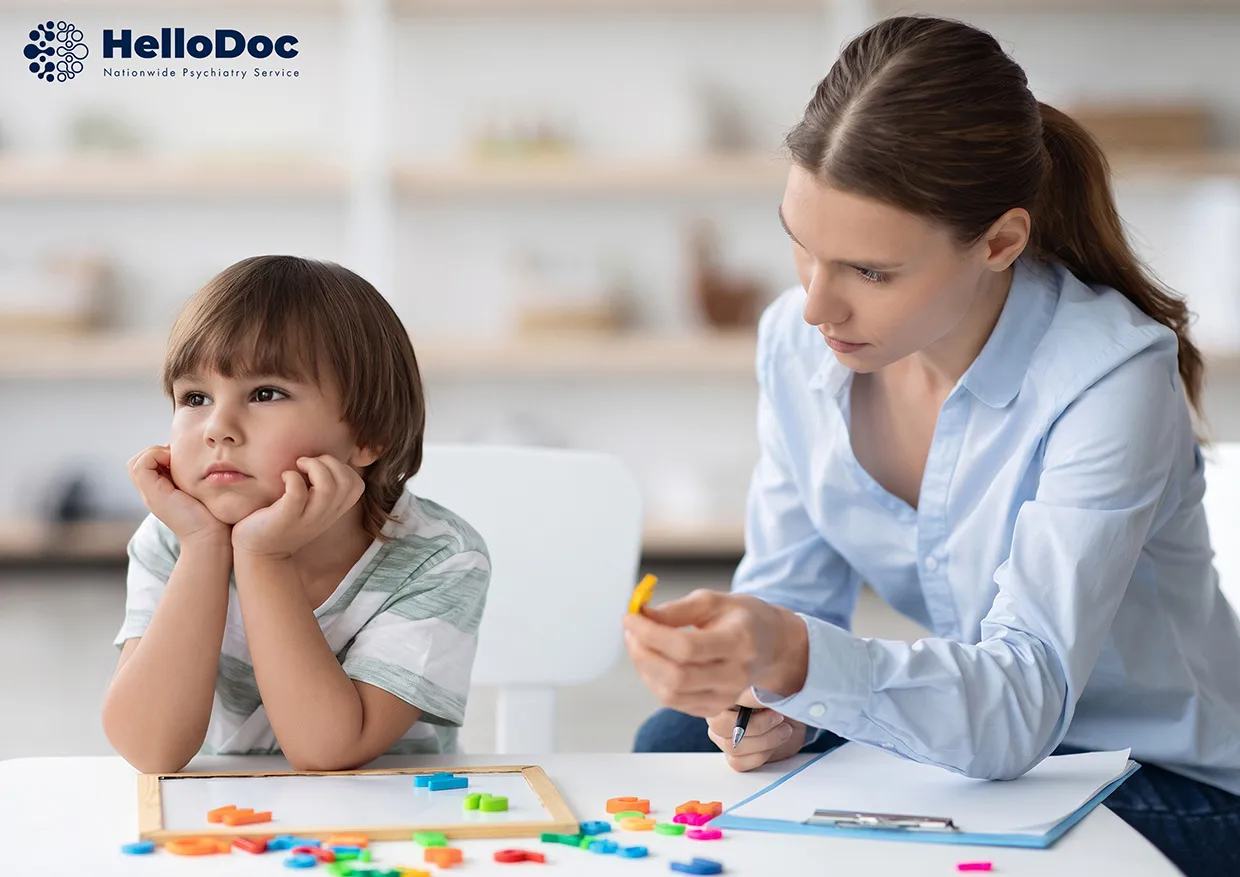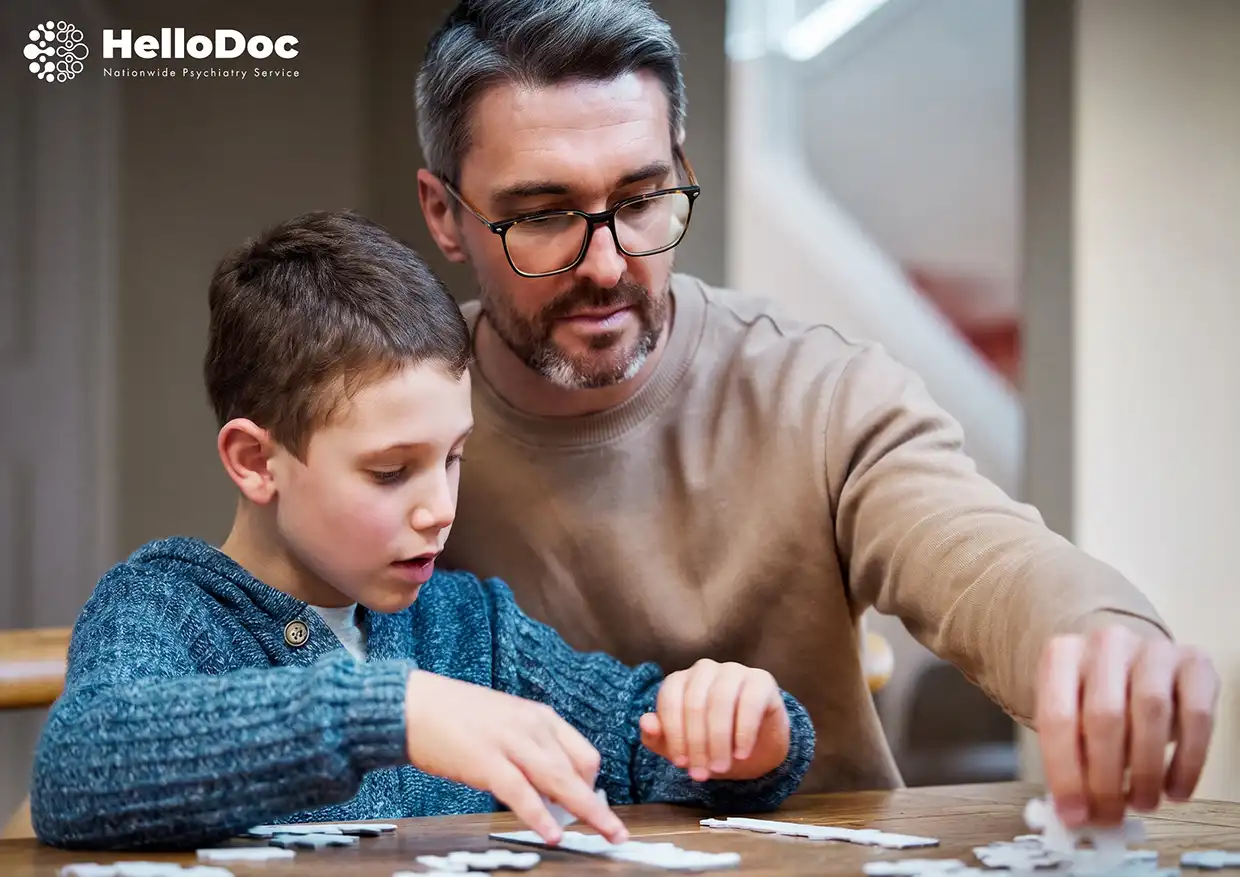
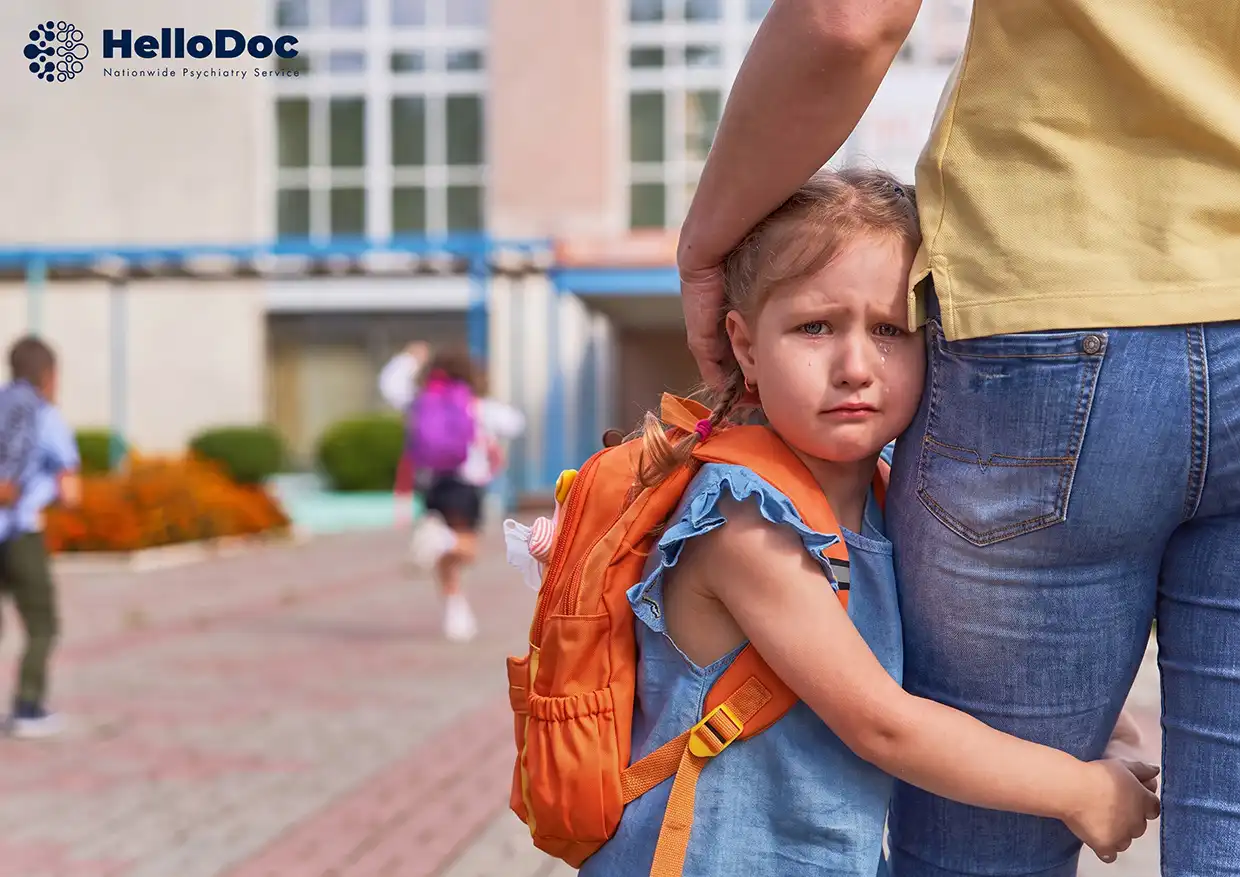
Tears at the school gate, a child who follows you from room to room, bedtimes that turn into negotiations: separation anxiety in children is one of the most common worries parents bring to their GP. Some separation anxiety is a normal part of development. It becomes a concern when it’s intense, lasts four weeks or more, and stops your child from joining in everyday life.
In brief:
- Many babies and toddlers go through a phase of distress when a parent leaves. It’s a sign of healthy attachment.
- Older children can also struggle with separations, especially around starting school or after a big change.
- Separation anxiety disorder is diagnosed when fear is more than expected for the child’s age, lasts at least four weeks,s and causes real distress or disruption.
- Practical steps at drop-off and bedtime can help, and treatment works well.
- You are not causing this, and getting support early can make a big difference.
What Is Separation Anxiety in Children?
Separation anxiety in children is fear or distress about being apart from a parent or other main caregiver. In young children,e,n it’s a normal stage of development. It becomes separation anxiety disorder when the fear is excessive for the child’s age, lasts at least four weeks, and interferes with daily life, such as going to school or sleeping alone.

Common Behaviours Associated With Separation Anxiety
Children with separation anxiety often worry that something bad will happen to a parent, or that they’ll be lost or hurt when apart. They might cling, cry, refuse to go to school,l or struggle to sleep alone. This is not “naughty” behaviour. The fear feels very real to them.
Separation anxiety disorder is one of the most common reasons families look into childhood anxiety treatment, and it responds well to help.
Separation Anxiety by Age: What's Normal?
Separation anxiety in children changes with age, so what counts as typical at 14 months looks different at 9 years. As a rough guide, normal separation anxiety appears from around 6 months and fades by about 30 months, and is usually strongest around 13 to 18 months.
Age | What’s typical | When to look closer |
Infants (6–12 months) | Fussing or crying when a parent leaves; wariness of strangers | Rarely a concern at this age; ask your child health nurse if you’re unsure |
Toddlers (1–3 years) | Clinging, tears at goodbyes, protests at bedtime; usually settles soon after the parent leaves | Distress that stays intense, doesn’t settle,l,e or keeps getting worse beyond toddlerhood |
Preschool (3–5 years) | Some tears at drop-off, especially after a break or change | Regular, intense distress that disrupts preschool or sleep |
School age (6–11 years) | Occasional nerves at the start of the year or after illness | Frequent worries about harm to parents, school refusal, tummy aches before school, avoiding sleepovers |
Older kids and teens (12+) | Less common | Intense fear of being apart, refusing school or being unable to be alone; often alongside other anxiety |
Separation Anxiety in Older Children and Teenagers
Separation anxiety disorder is less common after puberty, and it helps to understand how anxiety changes in the teenage years.
Separation Anxiety Symptoms in Children
Separation anxiety symptoms in children include distress when apart from a parent, constant worry that something bad will happen to them, reluctance to go to school or sleep alone, nightmares about separation, and physical complaints such as tummy aches or headaches. These are also the examples used in the DSM-5-TR, the diagnostic manual clinicians use.
Common Signs of Separation Anxiety at Home
At home, you might notice:
- Following you from room to room, or refusing to be in another room alone.
- Crying, tantrums,s or panic at goodbyes.
- Repeated worries about you being hurt, sick, or not coming back.
- Refusing sleepovers, play dates or school camps.
- Nightmares about being separated from you.
- Needing you to stay until they fall asleep, or coming into your bed.
- Physical symptoms before separations.
Physical Symptoms and School Refusal
Tummy aches and headaches before school are often early signs of anxiety in children, not just an excuse. The pain is real, and it often settles once the worry passes. Separation anxiety can also appear as school or preschool refusal, which is sometimes the first thing a family notices.
When Does Separation Anxiety Become Separation Anxiety Disorder?
Separation anxiety becomes separation anxiety disorder when a child’s fear of being apart is excessive for their age, lasts at least four weeks in children,n and causes significant distress or problems with school, friendships, ps or family life. A clinician decides whether the criteria are met, so a diagnosis should come from a professional assessment, not a checklist.
Signs That Separation Anxiety May Be More Than a Phase
Signs that it may be more than a phase include:
- It has lasted four weeks or more.
- It’s stronger than you’d expect for your child’s age.
- Your child avoids school, sleepovers, ER visits,s or activities because of it.
- Family routines are built around avoiding separations.
- Your child has frequent physical complaints, nightmares, or panic.
Not every worried child has a disorder, but you don’t have to wait until things are severe to ask for help.
Toddler Separation Anxiety vs School-Age Separation Anxiety
Toddler separation anxiety is mostly a normal stage and usually eases with time and gentle routines. In school-age children, separation anxiety is less expected and tends to involve specific worries, such as fear of something happening to a parent. Older children are also more likely to avoid school or activities.
Feature | Toddlers | School-age children |
Typical expression | Crying, clinging, protest at goodbyes | Worry thoughts, tummy aches, refusing school or sleepovers |
Usual pattern | Settles soon after the parent leaves | Can last all day or build before separations |
Usual outlook | Often passes with routine and reassurance | May need more structured support if it persists |
School Drop-Off Anxiety: What Helps
For school drop-off anxiety, calm, short, consistent goodbyes work best. Stay warm and confident, keep the routine the same each day, and never sneak away. Work with the teacher so your child is welcomed and settled quickly. Gentle practice and praise for brave steps build confidence over time.
Keep Goodbyes Short and Predictable
Create a simple goodbye routine that your child can recognise and feel comfortable with each morning. A hug, a reassuring phrase, and a wave can make separation feel less overwhelming. For example, say, “I’ll be back after lunch. You can do this.” Keep your tone warm and confident, even if your child becomes upset.
Use the Same Routine Every Day
Try to follow the same morning routine, from getting dressed and eating breakfast to arriving at school and saying goodbye. Familiar steps help children understand what comes next and reduce uncertainty.
Don’t Sneak Away
Leaving while your child is distracted might seem like an easier way to avoid tears, but it can make them more anxious about losing sight of you. They may become increasingly watchful or struggle to trust that you will return.
Avoid Long Goodbyes or Going Back
It is natural to want to comfort your child when they become distressed, but repeatedly extending the goodbye can make separation harder. Try not to return for another hug or restart the conversation once you have said goodbye.
Work With the Teacher
Speak with your child’s teacher about what might make the transition easier. You could arrange for a familiar teacher or trusted adult to greet your child at the gate, help them settle into the classroom, or give them a small morning responsibility.
Praise Bravery, Not Just the Outcome
Recognise the effort your child makes, even when they are still upset or find separation difficult. Instead of praising only tear-free drop-offs, acknowledge small steps towards managing their worries. Saying, “You walked into school even though it felt scary,” reinforces courage, builds confidence, and helps your child recognise their own progress.
When School Refusal Becomes a Concern
A word on school refusal: if your child is regularly missing school because of fear, don’t wait. Talk to the school and your GP early. Longer absences tend to make returning harder.
Separation Anxiety at Night: Bedtime Strategies for Kids
Separation anxiety at night often shows up as bedtime protests, needing a parent to stay until sleep, or coming into your bed. What helps most is a calm, predictable routine, brief reassurance,ce and gradual steps towards sleeping independently, with lots of praise along the way.
Keep a Consistent Wind-Down Routine
Follow the same calming bedtime routine each night to help your child feel settled and know what to expect.
Offer Comfort Objects
A favourite soft toy or blanket can provide reassurance and help your child feel more secure.
Use a Short, Confident Script
Offer simple, reassuring words to remind your child that they are safe and you will return to check on them.
Take It in Small Steps
Gradually increase the distance from your child’s bed or reduce the time you stay with them.
Return Calmly if They Come Out
Gently guide your child back to bed without turning it into a lengthy conversation or interaction.
Praise Brave Nights
Recognise small steps towards independent sleep with praise, encouragement,t or a simple reward.
How to Help a Child With Separation Anxiety at Home
To help a child with separation anxiety, practise short, gradual separations, praise brave steps, and gently reduce the things you do to avoid their distress, such as staying in the room or answering every worry. Be warm and confident: your calm tells your child they can cope.
Start Small
Practise short separations, such as a few minutes in another room or a visit to a grandparent, then gradually increase the time apart. Begin with situations your child can manage comfortably and build their confidence through repeated experiences.
Plan and Rehearse
Talk through what will happen before a separation, including where they will go, who will be with them, em and when you will return. Practise simple coping strategies, such as deep breathing or choosing a comforting activity, so they feel more prepared.
Acknowledge the Feeling, Then Express Confidence
“I know it feels scary. I also know you can do it.” Acknowledge your child’s worries without dismissing or reinforcing their fears. Use a calm, reassuring tone to show that you trust their ability to manage the situation.
Reduce Accommodation Gently
Accommodation means changing family routines to avoid your child’s distress, like always staying until they sleep or cancelling plans. It feels kind in the moment, but can keep anxiety going. Cut back gradually, not all at once.
Limit Reassurance Loops
Answer a worry once, kindly, then redirect. Repeatedly answering the same questions can unintentionally reinforce anxiety by making your child depend on reassurance to feel safe. Instead, encourage them to use their coping strategies and tolerate some uncertainty.
Notice Progress
Celebrate small wins, like a babysitting evening or a school morning with fewer tears. Recognise effort rather than expecting perfection, and acknowledge when your child tries something that previously felt difficult.
How Parent Anxiety Affects Children's Anxiety
Parents’ own worry can affect how a child copes. Children often pick up on a parent’s tension, and anxious parents may unintentionally protect children from fears. It isn’t your fault, and it’s very common. Caring for your own wellbeing can help your child, because a calmer parent models calmer coping.
What Research Says About Parent Anxiety
Research supports this. In a Macquarie University trial, children were less likely to be diagnosis-free after treatment if they had a parent who also had an anxiety disorder. That doesn’t mean parents are to blame. It means looking after yourself is part of helping your child.
Supporting Your Own Wellbeing
Managing your own anxiety and stress isn’t selfish; it gives your child a calm example to follow. You could talk to your GP about your own support, practise slow breathing before drop-off,f and ask a partner or friend to share some goodbyes if you find them hard.
CBT for Child Anxiety: How Treatment Works in Australia
Cognitive behavioural therapy (CBT) is the main treatment for child anxiety. It teaches children and parents practical skills to understand worries and face fears step by step. In Australia, structured programs include Cool Little Kids (ages 3–6), Cool Kids (ages 7–12) and Cool Kids Online, developed at Macquarie University.
How CBT Helps Children With Separation Anxiety
CBT for child anxiety teaches kids and parents practical skills to face separations step by step. CBT for child anxiety usually includes learning about anxiety, challenging worried thoughts, and gradual exposure to feared situations. Parents are involved so they can support practice at home.
What Research Says About Cool Kids Online
The evidence is encouraging:
- In a trial of Cool Kids Online with 95 children aged 7 to 12, 64 per cent of children were free of their primary anxiety diagnosis after treatment, compared with 28 per cent of children on a wait list.
- Another approach, SPACE (Supportive Parenting for Anxious Childhood Emotions), works through parents rather than directly with the child. In a randomised trial of 124 children published in the Journal of the American Academy of Child and Adolescent Psychiatry, about 60 per cent of children no longer met criteria for any anxiety disorder after either SPACE or CBT.
Other Treatment Options and Professional Guidance
The Royal Australian and New Zealand College of Psychiatrists (RANZCP) recommends a tested CBT program such as Cool Kids as first-line treatment for anxious young people. Medication is sometimes considered by a specialist for more severe cases, but it is not usually the first step.
Through a GP Mental Health Treatment Plan, you may be able to access Medicare rebates for psychology sessions, depending on eligibility and current rules.
When to See a Doctor About Your Child's Anxiety
Talk to a doctor if your child’s anxiety has lasted four weeks or more, they’re refusing school, they have frequent physical symptoms, or family life is being disrupted. Start with your GP, who can check for other causes, talk through options,s and refer you to the right support.
Signs Your Child May Need Professional Support
Red flags include:
- Worry or distress lasting four weeks or more.
- School refusal or regularly missing school.
- Frequent tummy aches, headaches or sleep problems with no clear medical cause.
- Avoiding sleepovers, activities or time with friends.
- Family routines built around avoiding your child’s distress.
- Your child talking about not wanting to be alive, which needs urgent help (see the support lines below).
Where to Get Help for Childhood Anxiety
Your GP can prepare a Mental Health Treatment Plan so you can see a psychologist for children with a Medicare rebate. If anxiety is severe, or other conditions may be involved, your GP may suggest specialist child psychiatry.
Separation Anxiety in Children FAQs
Is separation anxiety in children normal?
Yes, in the right stage of development. Many babies and toddlers go through it, often most strongly around 13 to 18 months. It’s a sign of healthy attachment and usually fades. It becomes a concern if it’s intense, lasts four weeks or more, or stops your child joining in everyday life.
At what age does separation anxiety stop?
Typical separation anxiety usually eases by around 30 months, though children vary. Some have a return of worries at times of change, such as starting school. If fear of separation continues beyond what’s expected for their age, or gets stronger, it’s worth talking to your GP.
What are the signs of separation anxiety disorder in a child?
Signs include intense distress when apart from parents, worry about harm coming to them, reluctance to go to school or sleep alone, nightmares, and physical complaints. For a diagnosis, symptoms must last at least four weeks and cause distress or problems at school, with friends,s or at home.
How can I help my child with school drop-off anxiety?
Keep goodbyes short, calm,m and the same each day, and never sneak away. Use a simple script such as “I’ll be back after lunch. You can do this,” and work with the teacher. Praise brave steps. If school refusal begins, talk to the school and your GP early.
Does my own anxiety make my child’s anxiety worse?
It can play a part, but it’s not your fault. Children pick up on parents’ worries, and anxious parents sometimes protect children from fears. Looking after your own wellbeing and getting support can help your child, and research shows treatment outcomes can be affected by parental anxiety.
What is the best treatment for childhood separation anxiety?
CBT, such as the Cool Kids programs, is the main treatment, and parents are involved. Parent-based approaches like SPACE also have good evidence. Medication is only sometimes considered by a specialist. A GP or psychologist can help you choose an approach that suits your child.
When should I see a doctor about my child’s separation anxiety?
See your GP if worries last four weeks or more, your child is missing school, has frequent physical symptoms, or family life is being affected. You don’t need to wait for things to get worse. Early support often makes treatment easier.
Conclusion
Separation anxiety in children is a normal part of development, but when fear becomes persistent and starts affecting school, sleep, or everyday family life, your child may need additional support. With patience, predictable routines, gradual separation, and reassurance that builds confidence rather than dependence, many children learn to manage these feelings over time. If your child’s anxiety continues or becomes overwhelming, speaking with a healthcare professional can help you understand what is happening and explore appropriate support, including cognitive behavioural therapy (CBT) when clinically suitable.
At HelloDoc, we understand that supporting an anxious child can feel challenging for the whole family. Seeking guidance does not mean you have failed to help your child; it means you are taking their worries seriously. With the right approach and support, your child can gradually build confidence, feel safer during separations, and develop the skills to manage anxiety as they grow.
HelloDoc (Disclaimer and Liability Terms)
HelloDoc aims to connect users with psychiatry professionals. However, we do not guarantee the accuracy, reliability, or completeness of the information shared. The platform does not warrant any professional medical advice, diagnosis, or treatment. All services are offered “as-is,” and users must assess their relevance independently.
HelloDoc is NOT an emergency response platform. All consultations are by appointment only. If you are experiencing a mental health crisis, please seek immediate assistance from emergency services.
For Mental Health Emergencies in Australia, contact:
- Lifeline: 13 11 14
- Beyond Blue: 1300 224 636
- MensLine Australia: 1300 789 978
- Suicide Call Back Service: 1300 659 467
- Veterans and Veterans Families Counselling Service: 1800 011 046
The information on this website, including blog posts, is for general informational purposes only and is not meant to replace or substitute for professional medical advice, diagnosis, or evidence-based treatment. Always consult a qualified healthcare provider for any medical condition or health-related questions. By continuing to use HelloDoc, you accept these terms and acknowledge that they may change without notice.