
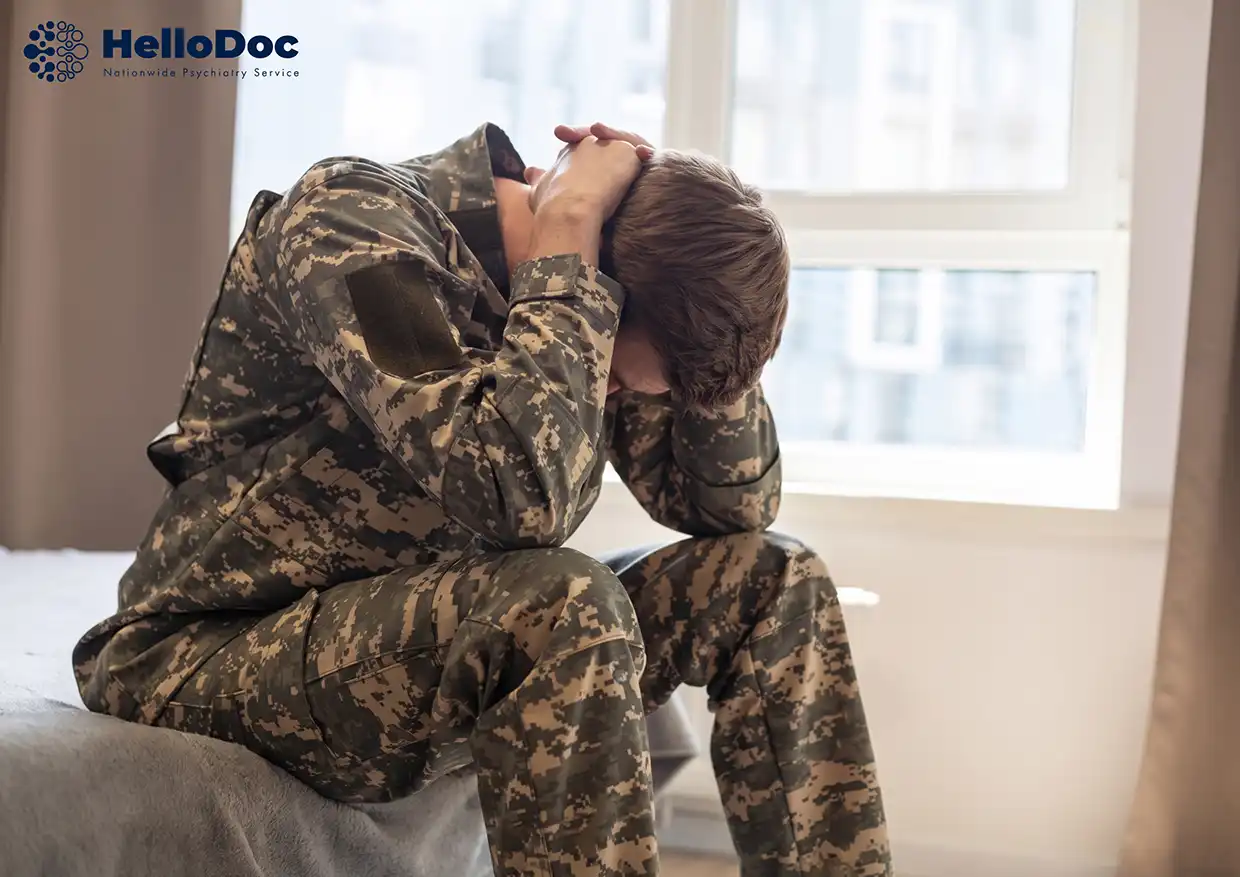
Traumatic events can shake our world, leaving us feeling vulnerable and overwhelmed. For many Australians who experience or witness deeply distressing situations, be they natural disasters, accidents, or acts of violence, the psychological impact can be profound, leading to a condition known as Post-Traumatic Stress Disorder (PTSD).
PTSD knowledge is the first vital step toward recovery. It is a very real mental health condition triggered by experiencing or seeing a terrifying event. It’s important to know that developing PTSD is not a sign of weakness; it’s how the brain and body sometimes respond when faced with overwhelming danger and horror.
Recognising the Signs: Common PTSD Symptoms
The way PTSD shows up varies greatly from person to person. Symptoms usually start within a few months of the traumatic event, but sometimes they can surface much later. The main PTSD symptoms generally fall into four categories:

1. Intrusive Memories (Flashbacks)
This is perhaps the most well-known symptom. Intrusive memories aren’t just a bad memory you think about now and then. They are unwanted, vivid “reruns” of the event.
- Flashbacks: You feel like you’re right back in the middle of the trauma, experiencing the sights, sounds, smells, and terror all over again.
- Nightmares: Recurring, distressing dreams about the event that interrupt sleep.
- Distress Triggers: Intense emotional distress or physical reactions (like a racing heart or sweating) when you encounter something that reminds you of the trauma.
2. Avoidance Behaviours
To cope with the painful memories, many people with PTSD try to avoid anything that might remind them of the event.
- Avoiding Places/People: Steering clear of certain locations, people, or conversations connected to the trauma.
- Emotional Numbing: Feeling detached from friends or family, finding it hard to feel positive emotions, or losing interest in activities you once enjoyed.
3. Hyperarousal (Always On Alert)
PTSD keeps your body’s fight-or-flight system stuck in the on position.
- Being Jumped Up: Being easily startled or constantly on edge.
- Trouble Sleeping: Difficulty falling or staying asleep.
- Irritability and Anger: Feeling tense, angry, or aggressive, sometimes snapping at people you care about.
4. Negative Changes in Thinking and Mood
The trauma can change how you view yourself and the world around you.
- Negative Beliefs: Believing that the world is completely dangerous, or blaming yourself for what happened.m
- Memory Problems: Difficulty remembering key parts of the traumatic event.
- Guilt or Shame: Feelings of intense guilt about surviving when others didn’t.
It’s worth noting that PTSD symptoms in women can sometimes be more subtle, such as experiencing more anxiety and depression alongside the core PTSD symptoms, compared to men.
Knowledge of Related Conditions
Sometimes trauma creates issues that are slightly different from standard PTSD:
- Complex PTSD (CPTSD): This often occurs when someone has been exposed to long-term, repeated trauma (e.g., ongoing abuse). It includes the standard PTSD symptoms, plus difficulty regulating emotions and problems with relationships and self-worth.
- Adjustment Disorder vs PTSD: An adjustment disorder is a short-term stress reaction to a major life change or event. Symptoms usually improve within six months. PTSD symptoms are typically more severe and last for much longer, often years if untreated.
Managing the Trauma: Telehealth Support is Available
The recovery journey for PTSD is long-term, and continuous access to affordable mental health resources will be essential for many Australians. The good news is that healing is possible with the right telehealth support.
Telehealth Mental health professionals use specific, effective therapies to help people manage their symptoms and regain control of their lives from the comfort of their homes:
- Therapeutic Interventions: Treatments like Eye Movement Desensitisation and Reprocessing (EMDR) and Trauma-Focused Cognitive Behavioural Therapy (TF-CBT) are key approaches used to help victims reprocess traumatic memories and reduce the intensity of flashbacks and symptoms.
The main thing is to get in early and use different types of support. You do not have to carry this alone.
Support is available at Hellodoc and in emergency departments for anyone affected by a traumatic incident. You can contact services such as Lifeline on 13 11 14, the NSW Mental Health Line on 1800 011 511, or Beyond Blue on 1300 22 4636. You do not have to carry this alone.
HelloDoc (Disclaimer and Liability Terms)
HelloDoc aims to connect users with healthcare professionals in the field of psychiatry. However, we do not guarantee the accuracy, reliability, or completeness of the information shared. The platform does not claim any warranty regarding professional medical advice, diagnosis, or treatment. All services are offered “as-is,” and users must assess their relevance independently.
HelloDoc is NOT an emergency response platform. All consultations are by appointment only. If you are experiencing a mental health crisis, please seek immediate assistance from emergency services.
For Mental Health Emergencies in Australia, contact:
- Lifeline: 13 11 14
- Beyond Blue: 1300 224 636
- MensLine Australia: 1300 789 978
- Suicide Call Back Service: 1300 659 467
- Veterans and Veterans Families Counselling Service: 1800 011 046
The information on this website, including blogs, is for general informational purposes only and is not meant to replace or substitute professional medical advice, diagnosis, or evidence-based treatment. Always consult a qualified healthcare provider for any medical condition or health-related questions. By continuing to use HelloDoc, you accept these terms and acknowledge that they may change without notice.