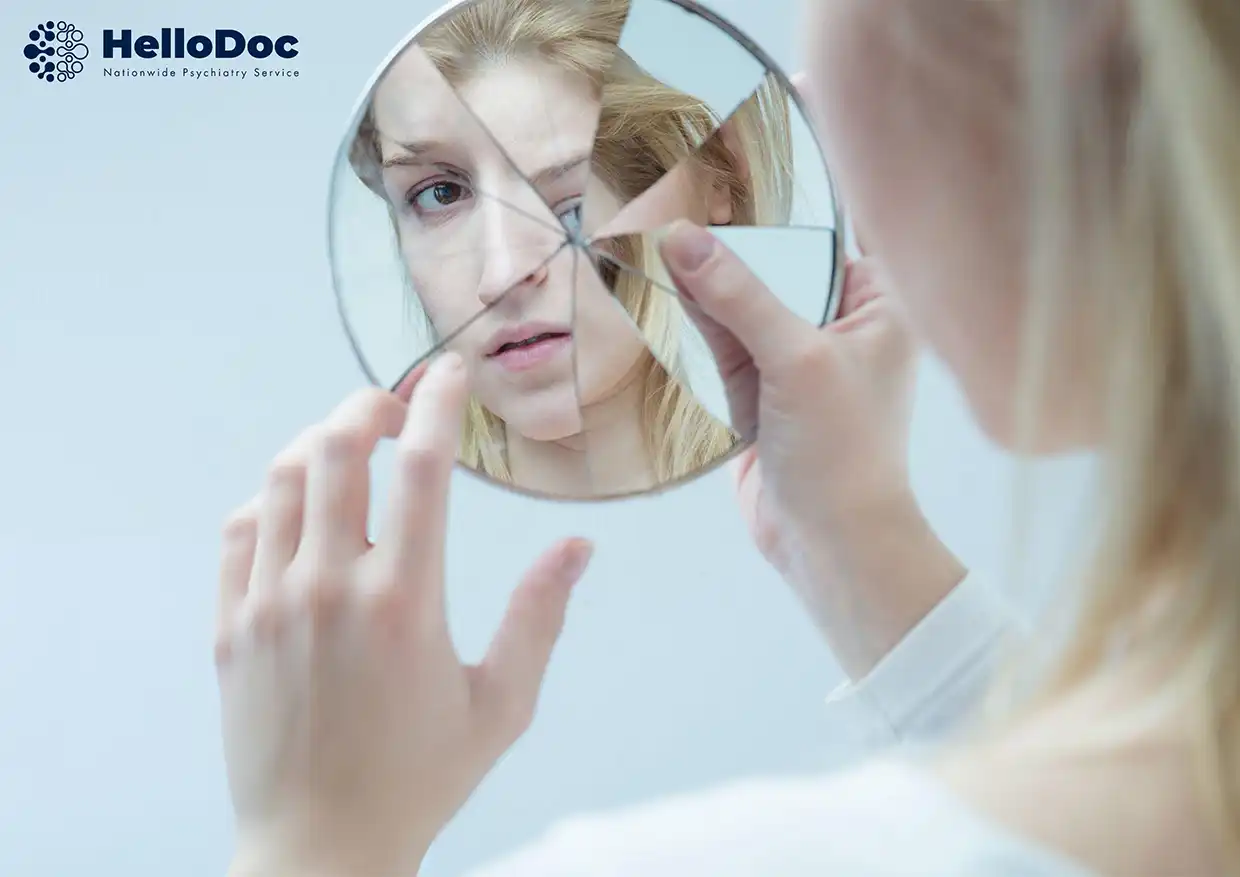
Borderline Personality Disorder, commonly known as BPD, is diagnosed significantly more often in women than in men. At first glance, this imbalance may suggest that women are more likely to develop the condition. However, current research and clinical experience tell a more complex story. The higher diagnosis rate in women is influenced by a combination of biological factors, social expectations, trauma exposure, help-seeking behaviour, and even diagnostic bias within mental health systems.
In reality, men and women may experience Borderline Personality Disorder at similar rates, but the way symptoms appear, are expressed, and are interpreted often leads to women being diagnosed more frequently. Understanding these differences is essential for reducing stigma, improving early detection, and ensuring that everyone living with BPD receives appropriate care and support.
Understanding Borderline Personality Disorder
Emotional Regulation and Intensity
Borderline Personality Disorder is a complex mental health condition that affects emotional regulation, interpersonal relationships, self-identity, and impulse control. People living with BPD experience emotions more intensely and for longer periods than others. Once an emotion is triggered, it can feel overwhelming and difficult to manage.
Rather than moving smoothly between emotional states, individuals with BPD often feel stuck in emotional extremes. A small disagreement or perceived rejection can quickly escalate into deep sadness, anger, or fear. These emotional reactions are not exaggerated on purpose; they are driven by differences in how the brain processes emotional information.
Identity and Self-Image Challenges
Another core feature of BPD is an unstable sense of self. Many people struggle to define who they are, what they value, or where they belong. This uncertainty can affect career choices, relationships, and long-term goals. For women in particular, this instability often leads to self-doubt and chronic feelings of inadequacy.
Common BPD Symptoms in Women
Intense and Rapid Mood Changes
Women with BPD frequently report sudden and intense mood swings. Emotions can shift quickly from calm to distress, often in response to interpersonal situations. These changes may appear unpredictable to others, but usually follow emotional triggers that feel very real to the person experiencing them.
How BPD Can Affect a Woman's Life
BPD can make everyday life feel like an emotional rollercoaster.
Relationships may feel intense and confusing one day, everything feels perfect, and the next, it feels like everything is falling apart.
At work or school, it can be hard to concentrate or stay motivated. Some women also struggle with guilt or self-blame, even when they’re trying their best.
But it’s important to know that with the right support, people with BPD can live stable, fulfilling, and meaningful lives.
Fear of Abandonment and Rejection
A deep fear of being abandoned is one of the most defining symptoms of BPD. Women may feel extreme anxiety when someone seems distant, unavailable, or emotionally withdrawn. Even minor changes in communication can trigger panic, sadness, or anger.
This fear is not about neediness; rather, it reflects a heightened sensitivity to emotional loss and rejection.
Relationship Instability
Relationships often feel intense, passionate, and emotionally consuming. A partner or friend may be idealised one moment and then perceived as uncaring or hurtful the next. These shifts are usually driven by emotional fear rather than manipulation or hostility.
Impulsive Coping Behaviours
When emotions feel unbearable, impulsive behaviours may emerge as a way to gain temporary relief. These can include overspending, binge eating, substance use, or risky decisions. Although these actions may ease distress in the moment, they often lead to guilt or shame later.
Chronic Emptiness and Emotional Pain
Many women with BPD describe a persistent sense of emptiness or inner void. Even during stable periods, life can feel flat or meaningless. In more severe cases, self-harm or suicidal thoughts may occur as an attempt to cope with emotional pain rather than a desire to end life.
Why BPD Is Diagnosed More Often in Women
There is no single explanation for why Borderline Personality Disorder is diagnosed more frequently in women. Instead, several overlapping factors contribute to this pattern.
Biological and Hormonal Influences
Hormonal fluctuations can significantly affect emotional sensitivity and stress responses. Life stages such as puberty, pregnancy, and menopause may intensify emotional experiences in women with BPD. While hormones do not cause the disorder, they can make symptoms more noticeable and harder to regulate.
Social Expectations and Gender Roles
Society often expects women to be emotionally composed, nurturing, and relationally stable. When women express strong emotions, distress, or relational difficulties, these behaviours are more likely to be pathologised. As a result, clinicians may interpret emotional struggles as symptoms of BPD rather than contextual stress responses.
Differences in Male and Female Symptom Expression
Men with BPD often express distress through anger, aggression, or substance misuse. These behaviours are more likely to lead to alternative diagnoses such as antisocial traits or addiction disorders. Consequently, BPD in men is frequently underdiagnosed or misdiagnosed.
The Role of Trauma in Women
A significant number of women diagnosed with BPD have experienced emotional neglect, physical abuse, or sexual trauma, particularly during childhood. Early trauma can disrupt emotional development and attachment patterns, increasing vulnerability to BPD symptoms later in life.
While trauma affects all genders, women are statistically more likely to experience interpersonal trauma, which is closely linked to BPD.
Help-Seeking Behaviour and Diagnosis Rates
Women are generally more open to discussing emotions and seeking mental health support. Because they access care more frequently, clinicians have more opportunities to identify BPD symptoms. Men may delay treatment, meaning their symptoms go unrecognised for longer periods.
Diagnostic Bias in Mental Health Care
Historically, Borderline Personality Disorder has been associated with emotional instability, a trait often unfairly linked to women. Although awareness has improved, remnants of diagnostic bias still influence how symptoms are interpreted in clinical settings.
How BPD Impacts Daily Life for Women
Living with Borderline Personality Disorder can make everyday life feel unpredictable and emotionally exhausting.
Impact on Relationships
Relationships can feel emotionally intense and unpredictable. Closeness may bring comfort but also fear, making it difficult to maintain stable connections. This cycle can lead to repeated relationship stress and emotional exhaustion.
Challenges at Work and Study
At work or in education, emotional dysregulation can affect focus, productivity, and confidence. Many women with BPD hold themselves to very high standards, which can increase stress and feelings of failure.
Emotional Exhaustion and Self-Blame
Chronic emotional intensity often leads to exhaustion. Women may blame themselves for their struggles, even when they are doing their best. Over time, this self-criticism can affect self-esteem and overall well-being.
Treatment and Recovery for Borderline Personality Disorder
The outlook for Borderline Personality Disorder has improved significantly over the past few decades. Today, BPD is considered one of the most treatable personality disorders, particularly when addressed early.
Evidence-Based Psychological Therapies
Dialectical Behaviour Therapy (DBT) is considered one of the most effective treatments for BPD. It helps individuals develop practical skills for emotional regulation, distress tolerance, interpersonal effectiveness, and mindfulness.
Cognitive Behavioural Therapy supports healthier thinking patterns, while Schema Therapy focuses on healing deep emotional wounds formed during early life experiences.
Medication and Symptom Management
Although no medication cures BPD, psychiatrists may prescribe medication to manage related symptoms such as anxiety, depression, or mood instability. Medication is most effective when used in conjunction with therapy and lifestyle support.
Lifestyle and Emotional Stability
Regular sleep, balanced nutrition, physical activity, and supportive relationships play an essential role in emotional regulation. Over time, these habits can significantly improve the quality of life.
The Importance of Early Support
Early intervention can make a meaningful difference in the long-term course of Borderline Personality Disorder. When symptoms are recognised and addressed early, individuals often develop stronger coping skills and experience fewer crises later in life.
Seeking help is not a sign of weakness. It is a proactive step toward understanding emotional patterns and building a healthier relationship with oneself and others.
How HelloDoc Supports Women Living With BPD
At HelloDoc, we recognise how challenging it can be to seek help for emotional difficulties, particularly when feelings feel overwhelming or confusing. That is why we provide accessible, compassionate telepsychiatry services across Australia.
Through secure online consultations, you can connect with qualified Australian psychiatrists from the comfort of your home. Each appointment begins with a comprehensive assessment, allowing your psychiatrist to understand your experiences, symptoms, and goals in detail.
From there, you receive a personalised care plan that may include therapy recommendations, medication review, and practical lifestyle guidance. Our approach is collaborative, respectful, and focused on long-term well-being.
If you or someone you care about is experiencing symptoms of Borderline Personality Disorder, professional support is available, and recovery is achievable.
Book your online consultation with HelloDoc today and take the first step toward emotional balance, clarity, and a more peaceful life.
FAQs
What are the early signs of Borderline Personality Disorder in women?
Early signs often include intense emotional reactions, fear of abandonment, unstable relationships, and a fluctuating sense of identity. These symptoms may appear during adolescence or early adulthood and tend to persist over time.
Can women recover from Borderline Personality Disorder?
Yes. Many women experience significant improvement with the right treatment. With therapies such as DBT and ongoing support, individuals can learn to manage emotions, strengthen relationships, and live fulfilling lives.
How is BPD diagnosed in women?
Diagnosis involves a comprehensive psychiatric assessment that explores emotional patterns, behaviour, relationships, and personal history. At HelloDoc, this assessment is conducted thoroughly during your telepsychiatry consultation.
Do hormones and stress affect BPD symptoms?
Hormonal changes and high stress can intensify emotional sensitivity in women with BPD. Life stages such as puberty, pregnancy, and menopause may increase symptom severity, making tailored treatment particularly important.
Can HelloDoc psychiatrists prescribe medication for BPD?
Yes. If medication is appropriate, HelloDoc psychiatrists can prescribe according to Australian telehealth guidelines and coordinate care with your GP for continuity and safety.
How do I book a consultation with HelloDoc?
Booking is simple through HelloDoc.com.au. You can choose your preferred date and time and attend your appointment via secure video consultation.

HelloDoc (Disclaimer and Liability Terms)
HelloDoc aims to connect users with healthcare professionals specializing in psychiatry. However, we do not guarantee the accuracy, reliability, or completeness of the information shared. The platform does not claim any warranty regarding professional medical advice, diagnosis, or treatment. All services are offered “as-is,” and users must assess their relevance independently.
HelloDoc is NOT an emergency response platform. All consultations are by appointment only. If you are experiencing a mental health crisis, please seek immediate assistance from emergency services.
For Mental Health Emergencies in Australia, contact:
- Lifeline: 13 11 14
- Beyond Blue: 1300 224 636
- MensLine Australia: 1300 789 978
- Suicide Call Back Service: 1300 659 467
- Veterans and Veterans Families Counselling Service: 1800 011 046
The information on this website, including blog posts, is for general informational purposes only and is not intended to replace or substitute for professional medical advice, diagnosis, or evidence-based treatment. Always consult a qualified healthcare provider for any medical condition or health-related questions. By continuing to use HelloDoc, you accept these terms and acknowledge that they may change without notice.